
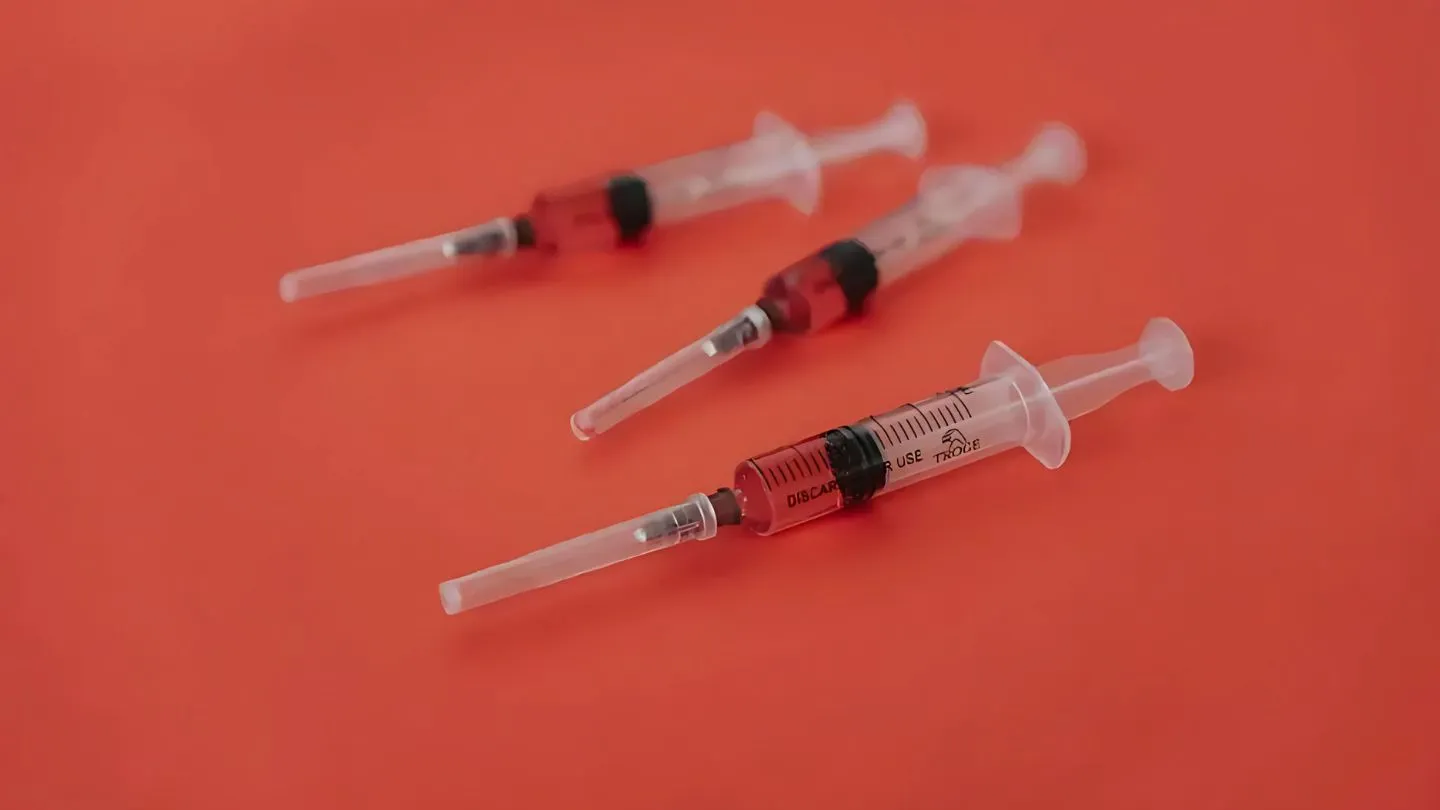
The information in this article is for educational purposes only and is not intended as medical advice. Peptides are regulated substances that require a prescription in many cases. Always consult a licensed healthcare provider before starting any peptide protocol. BoxingInsider.com does not endorse, recommend, or encourage the use of any specific peptide or compound.
A note for active fighters: If you are a licensed amateur or professional boxer, the vast majority of the compounds discussed in this article are banned by WADA, VADA, USADA, and state athletic commissions. Using them will result in a failed drug test, suspension, fines, and potentially the end of your career. This article is written for the general fitness audience — not for active competitors in any regulated sport. If you hold a boxing license or compete in any sanctioned combat sport, do not use these compounds.
Walk into any serious gym in 2026 and the conversation has shifted. It’s not just protein and creatine anymore. The words you’re hearing in locker rooms, on podcasts, and in group chats — peptides, GLP-1s, BPC-157, growth hormone secretagogues — are coming from a world that used to be reserved for elite athletes and anti-aging clinics. Now it’s mainstream.
The peptide market has exploded. Social media is flooded with transformation stories. Telehealth clinics are prescribing compounds that most people had never heard of two years ago. And the fitness community is split — some swear by them, some think it’s all hype, and most people have no idea what any of it actually does.
This article isn’t going to tell you what to take. That’s between you and your doctor. What it will do is explain what these compounds are, what the research says, and what the fitness world is actually talking about — in plain language, without the sales pitch.
What Are Peptides?
Peptides are short chains of amino acids — essentially small proteins. Your body produces them naturally. They act as signaling molecules, telling your body to do specific things: release growth hormone, repair tissue, reduce inflammation, regulate appetite.
Synthetic peptides are lab-made versions of these natural compounds, designed to trigger specific biological responses. They’ve been used in clinical medicine for decades. What’s changed is accessibility — peptide therapy has moved from research labs and bodybuilding underground into mainstream wellness and anti-aging clinics.
Not all peptides are the same. They serve vastly different purposes. Some target fat loss. Some target healing. Some target growth hormone production. Lumping them all together is like saying “supplements” without distinguishing between vitamin D and a fat burner. The category is broad, and the specifics matter.
Weight Loss Peptides: The GLP-1 Revolution
Semaglutide and Tirzepatide
These are the compounds that broke the internet. Semaglutide (the active ingredient in Ozempic and Wegovy) and tirzepatide (Mounjaro and Zepbound) are GLP-1 receptor agonists — they mimic a hormone your gut naturally produces to regulate appetite and blood sugar.
What they do: Dramatically reduce appetite, slow gastric emptying (food stays in your stomach longer so you feel full), and improve insulin sensitivity. Clinical trials showed average weight loss of 15-20% of body weight over 68 weeks with semaglutide, and tirzepatide showed even higher numbers in some studies.
Why the fitness world cares: These compounds produce significant fat loss with a consistency that diet and exercise alone rarely match for people with substantial weight to lose. They’ve changed the conversation about obesity from willpower to biology.
The concerns: Muscle loss is the big one. Rapid weight loss from appetite suppression without adequate protein intake and resistance training leads to losing muscle along with fat. This is why the fitness community emphasizes that GLP-1s should be combined with strength training and high protein intake — not used as a replacement for them. Other reported side effects include nausea, gastrointestinal issues, and questions about long-term use that are still being studied.
Retatrutide
The next generation. Retatrutide is a triple agonist — it activates GLP-1, GIP, and glucagon receptors simultaneously. Where semaglutide hits one pathway and tirzepatide hits two, retatrutide hits three.
What the research shows: Phase 2 clinical trials showed weight loss of up to 24% of body weight over 48 weeks at the highest dose. Those numbers got the entire fitness and pharmaceutical world’s attention. It’s still in clinical trials and not yet FDA-approved as of this writing, but it’s the compound that everyone in the peptide space is watching.
Why it matters: If the Phase 3 data holds up, retatrutide could become the most effective weight loss pharmaceutical ever developed. The triple-receptor approach appears to produce more fat loss with potentially better muscle preservation than single or dual agonists, though long-term data is still being collected.
Healing Peptides
BPC-157
Body Protection Compound-157. Originally derived from a protein found in human gastric juice. BPC-157 is the peptide that athletes and lifters talk about most when it comes to injury recovery.
What the research suggests: Animal studies have shown accelerated healing of tendons, ligaments, muscles, and even bone. It appears to promote angiogenesis — the growth of new blood vessels — which increases blood flow to injured areas and speeds repair. Studies have also shown gut-healing properties, which is how it got its name.
Why the fitness world cares: Tendon and ligament injuries are the bane of anyone who trains hard. They heal slowly, they sideline you for weeks or months, and traditional medicine doesn’t have great options beyond rest and physical therapy. BPC-157 has developed a massive following among athletes who report faster recovery from tendon injuries, joint issues, and muscle tears.
The caveat: Most of the research is in animal models. Human clinical trials are limited. The anecdotal evidence from the fitness community is extensive, but anecdotal evidence is not the same as clinical proof. This is a compound that shows tremendous promise but still needs more human data.
TB-500
Thymosin Beta-4 (marketed as TB-500) is a naturally occurring peptide involved in tissue repair, cell migration, and inflammation reduction.
What the research suggests: TB-500 promotes healing by upregulating cell-building proteins like actin, which plays a central role in cell structure and movement. Animal studies have shown benefits in healing muscle, tendon, ligament, and even cardiac tissue. It also appears to have anti-inflammatory properties.
Why it’s often paired with BPC-157: The two compounds work through different mechanisms. BPC-157 promotes blood vessel growth to injured areas. TB-500 promotes cell migration and tissue remodeling. Together, the theory is that they address healing from multiple angles simultaneously. This stack is one of the most commonly discussed peptide combinations in fitness and recovery circles.
The caveat: Same as BPC-157 — promising animal data, limited human clinical trials, and a lot of anecdotal reports from athletes. Not FDA-approved for human use.
GHK-Cu
Copper peptide GHK-Cu is a naturally occurring peptide that your body produces, though levels decline significantly with age.
What the research suggests: GHK-Cu has demonstrated anti-inflammatory properties, wound healing acceleration, collagen stimulation, and antioxidant effects. It’s been studied extensively in skin healing and anti-aging contexts — it’s an active ingredient in many high-end skincare products. More recently, the fitness community has taken interest in its potential for tissue repair and recovery support.
Why the fitness world cares: Its collagen-stimulating properties make it relevant for joint health, connective tissue support, and recovery. Some athletes use it alongside BPC-157 and TB-500 as part of a broader recovery protocol. It’s also one of the more accessible peptides, available in topical forms as well as injectable.
Growth Hormone Secretagogues
These don’t inject growth hormone directly. Instead, they signal your pituitary gland to produce and release more of its own growth hormone. The distinction matters — your body is doing the work, these compounds are just turning up the dial.
CJC-1295
A growth hormone releasing hormone (GHRH) analog. CJC-1295 extends the half-life of your body’s natural growth hormone releasing hormone, resulting in sustained elevation of growth hormone and IGF-1 levels.
What it does: Promotes increased growth hormone output over an extended period — not a single spike, but a sustained elevation. This supports muscle recovery, fat metabolism, sleep quality, and overall body composition improvement.
Why it’s paired with Ipamorelin: CJC-1295 works on the GHRH pathway. Ipamorelin works on the ghrelin pathway. Together, they stimulate growth hormone release through two different mechanisms simultaneously, producing a synergistic effect that’s greater than either compound alone.
Ipamorelin
A growth hormone releasing peptide (GHRP) that stimulates the pituitary gland to release growth hormone by mimicking ghrelin — the hunger hormone.
What it does: Produces a clean, controlled pulse of growth hormone without the side effects associated with other GHRPs. Ipamorelin is considered one of the most selective growth hormone secretagogues available — it stimulates GH release without significantly affecting cortisol or prolactin levels, which is why it’s preferred over older compounds like GHRP-6 and GHRP-2.
The CJC-1295/Ipamorelin stack: This is the most commonly prescribed growth hormone secretagogue combination in anti-aging and wellness clinics. The reported benefits include improved sleep quality, better recovery between training sessions, gradual fat loss (particularly visceral fat), improved skin quality, and a general sense of well-being.
What to understand: These are not steroids. They don’t inject synthetic hormones. They encourage your body to produce more of what it already makes. The effects are more gradual and subtle than direct growth hormone injection — think optimization, not transformation. Most people report noticing improvements in sleep and recovery within the first few weeks, with body composition changes becoming visible over months.
The Blends: Wolverine Stack, GLOW, and KLOW
As peptides have gained traction, the market has moved toward pre-made blends — multiple peptides combined in a single vial for convenience and synergy. Three blends dominate the conversation right now.
The Wolverine Stack (BPC-157 + TB-500)
The original combo. Named after the Marvel character’s healing ability, the Wolverine Stack pairs BPC-157 (10mg) and TB-500 (10mg) in one protocol. The logic is straightforward — BPC-157 handles localized tissue repair while TB-500 provides systemic recovery support. BPC-157 goes to the injury site, promotes blood vessel formation, and drives collagen synthesis. TB-500 enhances cell migration and reduces inflammation throughout the body. Together, they cover both the local and the systemic side of healing.
This is the most commonly prescribed peptide combination in regenerative medicine clinics. It’s the starting point — if you’re dealing with a nagging tendon issue, a muscle strain that won’t heal, or post-surgical recovery, the Wolverine Stack is what most providers recommend first.
GLOW Blend (BPC-157 + TB-500 + GHK-Cu)
The GLOW Blend takes the Wolverine Stack and adds GHK-Cu — a copper-binding peptide that occurs naturally in human plasma. Typical formulation is 50mg GHK-Cu, 10mg BPC-157, and 10mg TB-500 in a 70mg vial.
GHK-Cu brings the skin and anti-aging angle. It stimulates collagen and elastin production, regulates gene expression related to tissue remodeling, and has antioxidant and anti-inflammatory properties. Your body produces GHK-Cu naturally — around 200 ng/ml at age 20, dropping to 80 ng/ml by age 60. Supplementing it supports the connective tissue repair that BPC-157 and TB-500 initiate.
The GLOW Blend is popular with people who want the recovery benefits of the Wolverine Stack plus the skin rejuvenation and anti-aging effects of copper peptides. Same healing foundation, broader regenerative scope.
KLOW Blend (BPC-157 + TB-500 + GHK-Cu + KPV)
The KLOW Blend adds a fourth peptide — KPV — to the GLOW formula. Typical formulation is 50mg GHK-Cu, 10mg KPV, 10mg BPC-157, and 10mg TB-500 in an 80mg vial.
KPV is a tripeptide fragment of alpha-melanocyte-stimulating hormone (α-MSH) with strong anti-inflammatory properties. It works by downregulating NF-κB signaling and reducing pro-inflammatory cytokines — without the melanotropic (skin darkening) effects of the full α-MSH molecule. KPV has shown particular promise for gut inflammation, making KLOW relevant for people dealing with both musculoskeletal recovery and gastrointestinal issues.
Think of it as a progression: Wolverine Stack for injury recovery, GLOW for recovery plus skin and anti-aging, KLOW for recovery plus anti-aging plus deeper anti-inflammatory and gut support.
MOTS-c: The Exercise Peptide
MOTS-c is different from everything else on this list. It’s not about healing injuries or boosting growth hormone. It’s a mitochondrial-derived peptide — a 16-amino acid peptide encoded by your mitochondrial DNA — that your body naturally produces during exercise.
Research published in Nature Communications showed that exercise increases endogenous MOTS-c levels by nearly 12-fold in skeletal muscle. In mice, MOTS-c treatment improved physical performance across all age groups — young, middle-aged, and old. Old mice treated with MOTS-c doubled their running capacity on a treadmill and outperformed their middle-aged counterparts.
What MOTS-c does:
- Improves insulin sensitivity and glucose metabolism through AMPK activation
- Enhances mitochondrial function — the “power generators” in your cells
- Improves skeletal muscle metabolism and physical capacity
- Has been called an “exercise mimetic” — it triggers some of the same metabolic pathways that exercise does
- MOTS-c levels decline naturally with age, which correlates with age-related metabolic decline and reduced physical performance
The catch: MOTS-c is not FDA-approved. It is prohibited at all times by WADA under Section 4.4 (Metabolic Modulators / AMPK activators). Active athletes cannot use it. It’s classified as an experimental peptide with no approved therapeutic use. The FDA has clarified that compounding pharmacies are not supposed to make medications with MOTS-c.
Why people are interested: For the non-competing general population interested in longevity and metabolic health, MOTS-c sits at the intersection of exercise science, anti-aging, and mitochondrial optimization. The research is early but compelling — a peptide that may support the metabolic benefits of exercise, particularly in aging populations where natural MOTS-c levels have declined. This is firmly in the “watch this space” category. The science is promising but far from settled, and human clinical trial data is minimal.
The Bigger Picture
The peptide space is evolving rapidly. New compounds enter clinical trials regularly. Regulations are shifting — some peptides that were readily available through compounding pharmacies have faced restrictions, while others have moved closer to mainstream FDA approval.
A few things to keep in mind:
Source matters. The unregulated peptide market is full of underdosed, contaminated, and counterfeit products. If you’re exploring peptides, do it through a licensed provider — a doctor, an anti-aging clinic, or a telehealth platform that requires bloodwork and medical oversight. Buying research chemicals from random websites is a gamble with your health.
Bloodwork first. Any responsible peptide protocol starts with comprehensive bloodwork. You need to know your baseline hormone levels, metabolic markers, and organ function before introducing any compound. A good provider won’t prescribe anything without it.
They’re not shortcuts. Peptides don’t replace training, nutrition, and sleep. They optimize what you’re already doing. Taking CJC-1295/Ipamorelin while eating fast food and sleeping 5 hours a night is a waste of money. The people who see the best results from peptides are the ones who already have their fundamentals dialed in.
The conversation is legitimate. Two years ago, talking about peptides got you lumped in with steroid users. That stigma is fading rapidly as clinical research catches up with what the fitness community has been observing anecdotally. GLP-1 agonists have FDA approval. Growth hormone secretagogues are prescribed by mainstream physicians. Healing peptides are in active clinical trials. This isn’t fringe anymore.
Where This Fits
BoxingInsider covers the full spectrum of training and fitness. Peptides are part of that conversation whether the traditional fitness media wants to acknowledge it or not. Our position is simple — give you accurate information so you can have an informed conversation with your healthcare provider. We’re not doctors. We don’t play them on the internet. But we’re also not going to pretend this conversation isn’t happening in every gym in the country.
Do your research. Talk to a professional. Get your bloodwork done. And keep training.
Further Reading
- What Peptides Are Legal in the U.S.? Understanding FDA Approval, Compounding, and the Legal Gray Areas — A legal breakdown of where peptides stand with the FDA, compounding pharmacy regulations, and what’s actually legal to prescribe and possess.
- The Rise of Injectable Peptides — The Guardian examines the growing trend of peptide injections in mainstream wellness culture.
- Peptide Injections: What to Know About Risks and Side Effects — AP News covers the safety concerns and what consumers should understand before using injectable peptides.
- Peptides: Fountain of Youth? Doctors Warn the Hype May Outpace the Science — Fox News interviews physicians on the gap between peptide marketing claims and clinical evidence.
- Is Joe Rogan Right About BPC-157? — Breaking down the claims Rogan and other podcast hosts have made about the most popular healing peptide.
Supplements 101: What You Actually Need and What’s a Waste of Money
Getting in Shape at 40+: A Real Talk Guide
How Sleep Affects Your Gains More Than Any Supplement