You’ve decided you want to train in a combat sport. Good decision. Every single one of them will get you in shape, teach you discipline, and give you something that a regular gym never will — the ability to handle yourself and the confidence that comes with it.
But they’re not the same. Each discipline has a different culture, a different learning curve, a different physical demand, and a different type of person it tends to attract. Picking the right one matters because the best martial art is the one you actually stick with.
Here’s an honest breakdown of the four most popular combat sports, what each one demands, and who tends to thrive in each.
Boxing
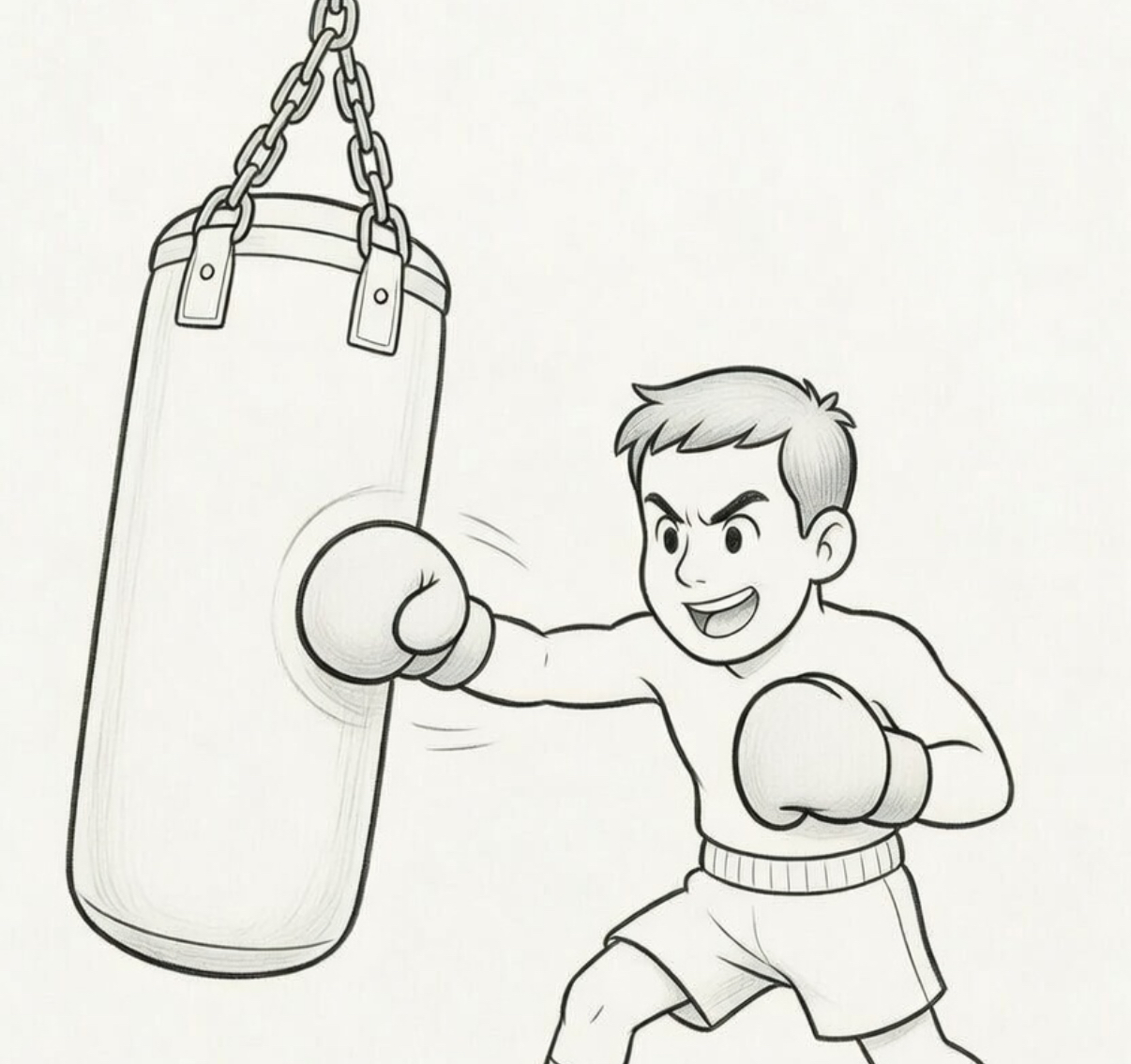
What it is: The sweet science. Hands only. Offense and defense built around four punches — jab, cross, hook, uppercut — combined with footwork, head movement, and angles. It looks simple. It’s not. Boxing is chess at 100 miles per hour.
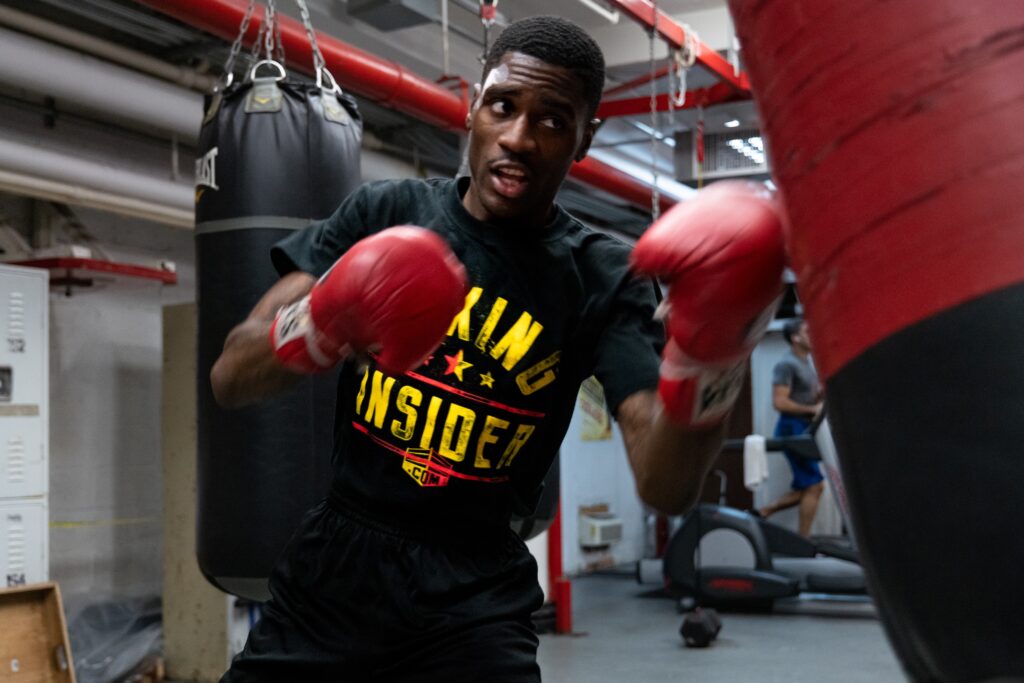
What training looks like: Heavy bag work, shadow boxing, mitt work with a trainer, jump rope, conditioning. At more advanced levels, sparring. A typical boxing gym session runs 60-90 minutes and includes a mix of skill work and conditioning that will leave you completely drained.
The physical demand: Boxing is one of the best cardiovascular workouts that exists. It builds shoulder endurance, core strength, leg conditioning from constant movement, and hand-eye coordination. The conditioning component is brutal — three-minute rounds with short rest will expose your cardio fitness immediately.
The learning curve: You can learn the basics in a few sessions. Throwing a jab, moving your feet, keeping your hands up — the fundamentals are accessible. But the depth is endless. Timing, distance management, reading your opponent, defensive skills — boxers train for years and are still learning. The gap between a beginner and an experienced boxer is enormous, and most of it is invisible to the untrained eye.
Who it’s for: People who want the best standalone cardio workout of any combat sport. People who like the idea of striking but want to focus on mastering a specific skill set rather than learning a little bit of everything. People who appreciate the history and culture of combat sports — boxing has more history than any fighting discipline on earth.
The culture: Boxing gyms have a feel that’s hard to replicate. The sound of bags, the timer buzzing, the smell of leather and sweat. Most boxing gyms are no-frills. The culture is built on work ethic and respect. You earn your place by showing up and putting in rounds, not by talking.
Brazilian Jiu Jitsu
What it is: Ground fighting. Submissions, chokes, joint locks, positional control. BJJ is built around the concept that a smaller, skilled person can defeat a larger, stronger opponent through technique and leverage on the ground. No striking. The goal is to control your opponent and force a submission.
What training looks like: Technique drilling with a partner, positional sparring, and live rolling (full sparring on the ground). Classes typically start with a warm-up, move to technique instruction where you drill specific moves with a partner, and end with live rounds of rolling. Expect a lot of physical contact — BJJ is a close-quarters art.
The physical demand: BJJ is deceptively exhausting. It doesn’t look as intense as boxing from the outside, but five minutes of live rolling against a resisting opponent will gas you out faster than almost anything. It builds grip strength, core strength, hip flexibility, and a type of full-body muscular endurance that’s unique to grappling. You’ll use muscles you didn’t know you had.
The learning curve: Steep at the beginning. You’re going to spend your first six months getting submitted by everyone, including people smaller than you. This is normal and it’s humbling. BJJ has a belt system — white, blue, purple, brown, black — and the average time to black belt is 10-15 years. It’s a long game. The people who stick with it tend to become obsessed.
Who it’s for: Problem solvers. People who like strategy and thinking under pressure. People who aren’t necessarily interested in getting punched in the face but want to learn real self-defense. People who enjoy the idea of a discipline where technique genuinely overcomes size and strength.
The culture: BJJ culture is unique. Training involves constant close physical contact with partners, which creates a fast bond. Most BJJ gyms have a strong community feel. The ego gets checked at the door because everyone — regardless of size or background — gets tapped out regularly. There’s also a significant lifestyle component — many BJJ practitioners become deeply immersed in the culture, the competition scene, and the philosophy.
Muay Thai
What it is: The art of eight limbs. Punches, kicks, elbows, and knees — plus the clinch, which is stand-up grappling with strikes. Muay Thai originated in Thailand and is the most complete striking art available. If boxing is hands only, Muay Thai is the full arsenal.
What training looks like: Pad work with a trainer, heavy bag work, partner drilling, clinch work, and sparring. A Muay Thai session is a full-body beating in the best way. You’re throwing kicks, catching kicks, working in the clinch, throwing knees and elbows. The conditioning component is on par with boxing.
The physical demand: Muay Thai builds incredible leg strength and hip flexibility from the kicking. Shin conditioning is a real thing — you’re hardening your shins through repeated contact, which is uncomfortable at first and eventually becomes normal. Core strength develops from the rotational power required for kicks and knees. It’s arguably the most physically demanding striking art because you’re using all four limbs plus clinch work.
The learning curve: Moderate. The basics — jab, cross, roundhouse kick, teep (front kick) — are learnable quickly. The clinch is where the learning curve steepens. Elbow and knee techniques require precision. But compared to BJJ, most people feel competent faster in Muay Thai because the movements are more intuitive — humans are wired to punch and kick.
Who it’s for: People who want the most complete striking skill set. People who are interested in MMA down the road — Muay Thai is the primary striking base for most MMA fighters. People who want a workout that hammers every part of the body equally. People who like the idea of learning a traditional martial art with deep cultural roots.
The culture: Muay Thai gyms tend to have a strong sense of tradition and respect for the art’s Thai origins. Training is hard and the culture reflects that — there’s an expectation of toughness and willingness to push through discomfort. Many Muay Thai gyms also incorporate elements of Thai culture, music, and ritual into their training and competition.
Wrestling
What it is: The oldest combat sport in human history. Takedowns, control, and pins. No strikes, no submissions (in traditional wrestling). The goal is to take your opponent down and control them on the mat. Wrestling builds arguably the best athletic base of any combat sport.
What training looks like: Drilling takedowns, escapes, and riding techniques with a partner. Live wrestling (similar to rolling in BJJ but focused on takedowns and top control rather than submissions). Conditioning is a massive component — wrestling practices are legendary for their intensity. Sprints, rope climbs, carrying partners, drilling until you can’t stand.
The physical demand: Wrestling is the most physically demanding combat sport. The conditioning required is on another level. Wrestlers are some of the best-conditioned athletes in any sport — the combination of explosive power, endurance, flexibility, and mental toughness required is extreme. If you want to be in the best shape of your life and you’re willing to suffer for it, wrestling will get you there.
The learning curve: Steep and physical. Wrestling is hard on the body from day one. Unlike boxing where you can ease into bag work at your own pace, wrestling requires a partner and involves constant physical resistance. The basics — stance, level changes, penetration steps, sprawls — are simple in concept but require significant repetition and physical conditioning to execute well. Most adult beginners find the first few months humbling.
Who it’s for: Competitors. People who thrive on grinding, physical challenges. People who want the best possible base for MMA — wrestling control is the single most dominant skill set in mixed martial arts. People who were athletes in other sports and want something that tests their full athletic ability.
The culture: Wrestling culture is built on toughness and work ethic more than any other combat sport. It comes from the scholastic and collegiate tradition where grueling practices, weight cutting, and mental fortitude are central to the experience. Finding an adult wrestling program can be harder than the other sports on this list — many wrestling gyms are tied to schools or MMA programs rather than existing as standalone facilities.
The Comparison
| Boxing | BJJ | Muay Thai | Wrestling | |
|---|---|---|---|---|
| Cardio | Excellent | Good | Excellent | Elite |
| Strength | Upper body focus | Full body | Full body | Full body |
| Self-defense | Strong (hands) | Strong (ground) | Strong (complete striking) | Strong (control) |
| Learning curve | Moderate | Steep | Moderate | Steep |
| Injury risk | Moderate | Low-moderate | Moderate-high | Moderate-high |
| Gym availability | Everywhere | Everywhere | Growing | Harder to find |
| Can train solo | Yes (bag, shadow boxing) | No (need partner) | Partially (bag work, shadow) | No (need partner) |
| Cost | $80-200/month | $100-250/month | $100-200/month | $50-150/month |
Which One Should You Pick?
You want the best workout with the lowest barrier to entry: Boxing. A bag and gloves and you’re training tonight.
You want to learn self-defense and you’re not interested in getting hit: BJJ. It’s the most effective martial art for controlling a situation without striking.
You want the most complete striking art: Muay Thai. Hands, feet, knees, elbows — nothing is off limits.
You want to be the toughest, best-conditioned athlete in the room: Wrestling. Nothing else comes close for pure physical preparation.
You can’t decide: Try all of them. Most gyms offer trial classes or introductory packages. Spend a week at each and see which one pulls you back. The best combat sport is the one that makes you want to show up tomorrow.
One More Thing
These aren’t mutually exclusive. Many people box and train BJJ. Many Muay Thai fighters wrestle. The rise of MMA has created a generation of cross-trained athletes who pull from all four disciplines. If one isn’t enough, mix them. The fundamentals of each make you better at the others.
But start with one. Get the basics. Build the foundation. Then expand. Trying to learn four martial arts simultaneously as a beginner is a recipe for being mediocre at all of them and good at none.
Pick one. Walk through the door. Start.
The Heavy Bag: The Best Piece of Fitness Equipment You Can Own
Boxing for Weight Loss: Why It Works Better Than Almost Anything Else
The Best Boxing Gloves and Gear: A Complete Buying Guide