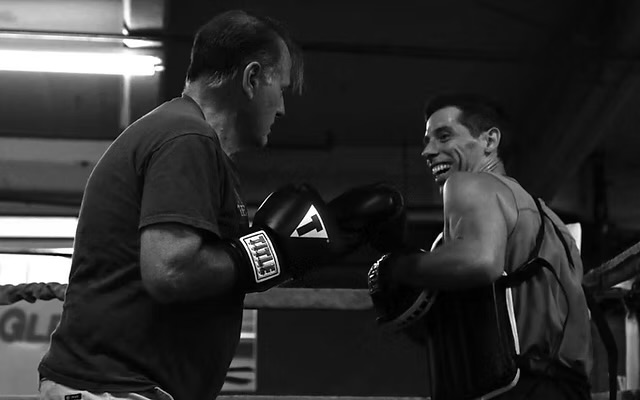
Every fighter has had the moment. You unzip the gym bag a day after a hard session and something hits you — not a jab, but a smell that could clear a locker room. The gloves that felt like an investment six months ago now smell like they belong in a biohazard bin.
Boxing gloves are designed to absorb impact, but they also absorb sweat, bacteria, and moisture with ruthless efficiency. The thick padding and closed construction create a warm, dark, damp environment — exactly the conditions that odor-causing bacteria thrive in. But this is not just about smell. The Centers for Disease Control and Prevention has documented that MRSA and staph infections spread readily in athletic settings through shared equipment. A study on infectious disease in boxing noted that gloves and headgear are “infrequently sanitized” and “can act as infectious reservoirs.” Proper glove care is hygiene, injury prevention, and financial common sense — a quality pair of Winning or Cleto Reyes gloves from our complete boxing gloves and gear buying guide can last years with maintenance, or months without it.
The Golden Rule: What Happens During the Workout Matters Most
Hand wraps are the single most important piece of glove hygiene equipment. They are not just for wrist support. Wraps act as a sweat filter, absorbing the majority of moisture before it reaches the glove’s interior lining. Training without wraps is the fastest way to destroy gloves from the inside out. The catch: wraps must be washed after every session. A dirty wrap transfers bacteria right back into the glove the next day. Treat them like socks — because functionally, that is what they are.
Two absolute rules. Never leave gloves in a closed gym bag — the sealed environment traps moisture and accelerates bacterial growth. And never leave them in a hot car. Heat “cooks” the leather, breaks down padding adhesives, and permanently warps the shape. A $300 pair of gloves left in a trunk on a summer afternoon is a $300 lesson you only learn once.
The Post-Training Routine
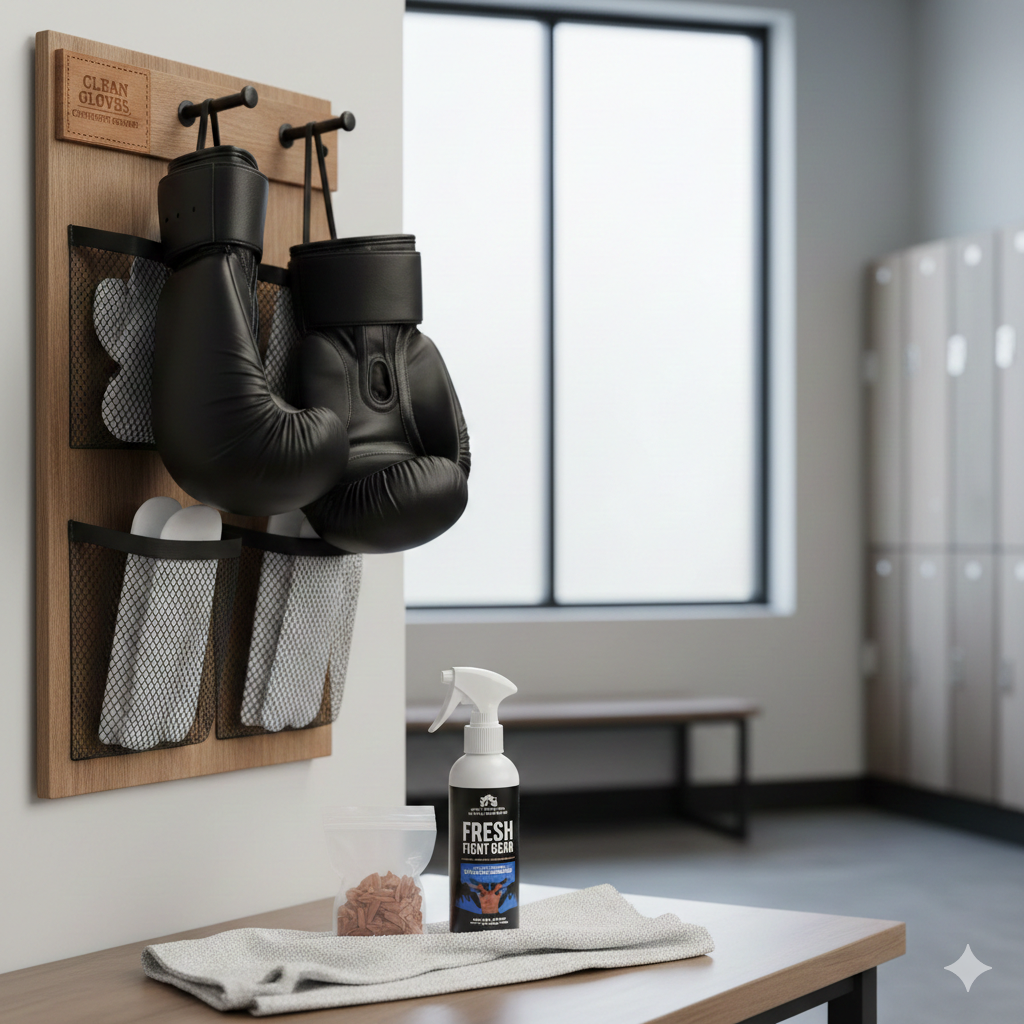
This takes less than five minutes and should happen after every session — whether you just finished rounds on the heavy bag or a full sparring day. Wipe the exterior and interior with a clean, dry towel. Open all wrist closures fully. Then air dry in a well-ventilated area — near a fan is ideal — with the wrist openings facing up. If you are building a home gym, designate a spot with airflow specifically for gear drying. Avoid direct sunlight, which degrades leather. If you train daily and your gloves are consistently soaked, rotating between two pairs lets one dry fully while the other works.
Weekly Deep Cleaning
Once a week, dampen a cloth with a 50/50 mix of white vinegar and water and wipe both the interior and exterior. The mild acidity kills bacteria without damaging leather or synthetic materials. After cleaning, sprinkle baking soda inside and let it sit overnight to neutralize embedded odors. Shake out thoroughly before the next session.
For leather gloves, cleaning strips natural oils from the hide. Apply a leather conditioner like Lexol to the exterior once every month or two — a thin coat rubbed in with a soft cloth prevents cracking and keeps bacteria from colonizing the tiny fissures that develop in dried-out leather.
Deodorizing Methods: What Works and What Doesn’t
| Method | Effectiveness | How It Works (or Doesn’t) |
|---|---|---|
| Cedar chip inserts | High | Naturally antimicrobial. Absorbs moisture and leaves a clean scent. Effective long-term. |
| Activated charcoal bags | High | Extremely porous material traps moisture and odor compounds. Chemical-free. Recharge in sunlight monthly. |
| UV-C light sanitizers | High | Destroys bacterial DNA with ultraviolet light. Kills up to 99.9% of bacteria. Requires 15-45 minutes of contact time. |
| Baking soda | Medium-High | Neutralizes acidic odor compounds. Inexpensive. Requires overnight contact and must be fully shaken out. |
| White vinegar solution | Medium-High | Kills surface bacteria effectively. Best as a weekly wipe-down. Vinegar smell dissipates as it dries. |
| Boot/glove dryers | Medium | Warm airflow accelerates drying. Caution: high heat cracks leather and degrades foam. Low-heat models only. |
| Dryer sheets | Low | Masks odor with fragrance. Does not kill bacteria or absorb moisture. Temporary cosmetic fix only. |
| Freezer method | Low | Does not reliably kill bacteria. Temperature cycling can damage leather and adhesives. Not recommended. |
Best Products for Glove Maintenance
| Product | Type | Best For | Notes |
|---|---|---|---|
| Meister Glove Deodorizers | Cedar / scented inserts | Daily moisture absorption | Flannel exterior, cedar or activated filling. ~$10-15. Replace every 3-6 months. |
| Ringside Glove Dogs | Cedar chip inserts | Daily absorption and shape retention | Cotton flannel shell with red cedar. Boxing-specific design. |
| The Glove Purifier | Thermal dryer with ozone | Active drying and deep sanitization | Warm air (104-122°F) plus ozone. LCD timer. Premium option for daily trainers or gyms. |
| Bamboo charcoal bags | Passive absorber | Chemical-free deodorizing | Reusable up to two years. Recharge in sunlight. No fragrance — eliminates rather than masks. |
| DIY: Baking soda in tube socks | Homemade deodorizer | Budget overnight treatment | Fill socks with baking soda, stuff deep into finger compartments. Costs almost nothing. |
The Emergency Restoration Protocol
If your gloves already smell like a swamp, this is the Hail Mary.
Step 1: The vinegar wipe. Mix equal parts white vinegar and water. Wipe the entire interior thoroughly, pressing into the finger compartments and lining seams. Do not soak the gloves.
Step 2: The baking soda treatment. Fill two tube socks with baking soda and stuff them deep into each glove. Leave for a minimum of 48 hours — 72 for severe cases.
Step 3: Air out. Remove the inserts, shake out residual powder, and place the gloves in front of a fan with wrist openings facing the airflow for 24 hours.
Step 4: Condition. Deep cleaning strips leather. Apply conditioner immediately to prevent cracking.
If the gloves still smell after this protocol, the contamination has penetrated the foam padding. No surface treatment will fix it, and it is time for a new pair.
Five Minutes, Five Years
Annual glove maintenance — conditioner, cedar inserts, hand wraps — runs about $30 to $50. A fighter who skips care and replaces $200 gloves every six months spends more in a year than one who maintains the same pair for half a decade. The CDC’s guidance for athletes puts it in terms that matter more than money: equipment hygiene is a frontline defense against infections that can sideline a fighter for weeks.
A wipe, some air, a pair of cedar inserts. The gloves last longer, the hands stay healthier, and nobody at the gym has to work the heavy bag downwind of your locker.