Walk into any sporting goods store or search “boxing gloves” online and you’ll get hit with a thousand options from brands you’ve never heard of selling gloves that look great in photos and fall apart in three months. The boxing equipment market is flooded with fashion brands pretending to be fight brands, and it’s hard to know what’s worth your money if you’ve never laced up before.
This is the guide we wish someone had given us. Real brands, real opinions, based on what actually gets used in gyms, training camps, and on fight night — not what looks best on a shelf.
Boxing Gloves
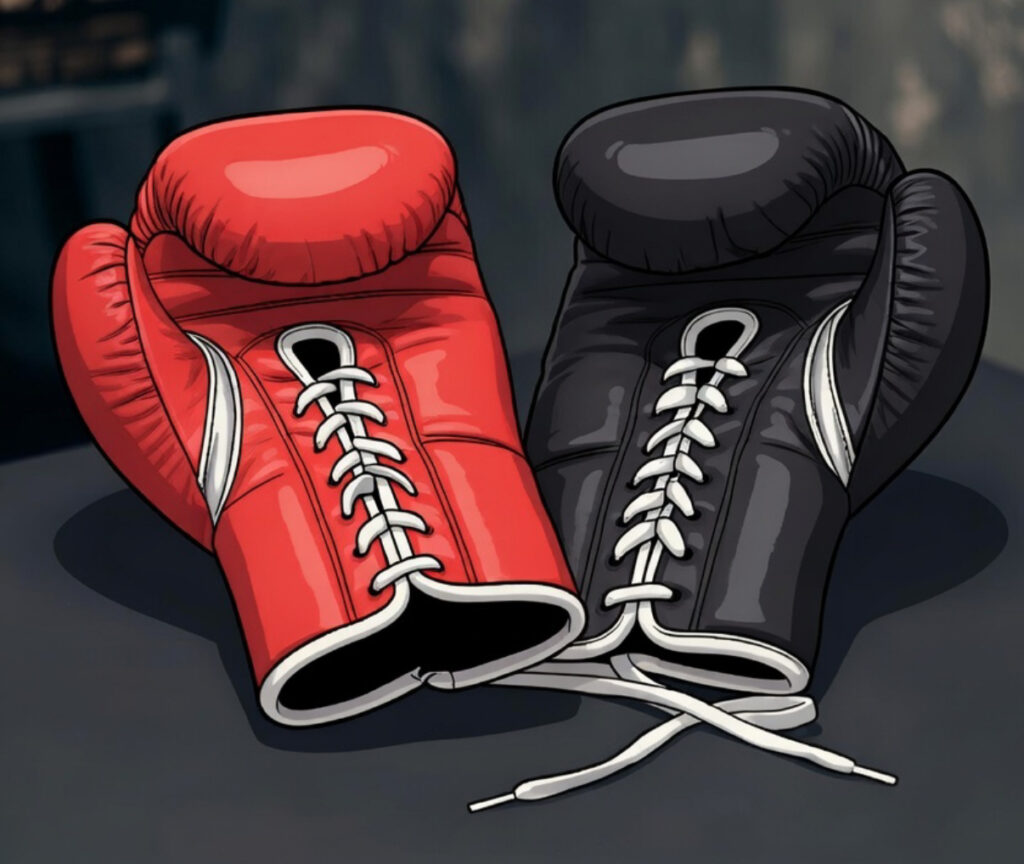
Gloves are the most important piece of equipment you’ll buy. The wrong pair can hurt your hands, wreck your wrists, and make training miserable. The right pair feels like an extension of your fist.
There are three types of gloves and they serve different purposes:
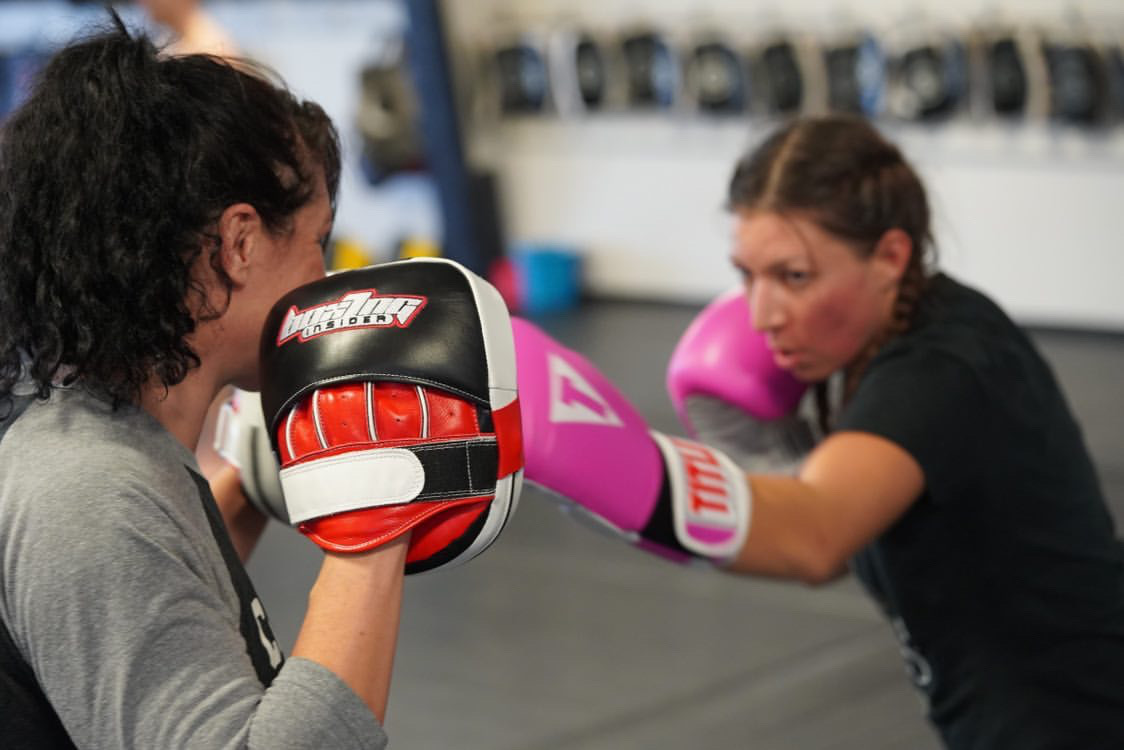
Bag gloves (10-12oz): Designed for heavy bag and pad work. Lighter, less padding, more compact. You feel the impact more, which builds hand toughness and teaches you to punch correctly. These are what you use for solo training.
Training gloves (14-16oz): The all-purpose glove. Enough padding for bag work and enough protection for light sparring. If you’re only buying one pair, this is it. 16oz is the standard for sparring at most gyms.
Competition gloves (8-10oz): What fighters wear on fight night. Less padding, designed for maximum impact. You don’t need these unless you’re competing.
The Brands That Matter
Cleto Reyes — The gold standard. Made in Mexico by hand for over 75 years. When you put on a pair of Reyes gloves, you understand immediately why fighters swear by them. The leather is beautiful, the fit is snug, the wrist support is outstanding, and they mold to your hand over time like a baseball glove breaking in. Reyes gloves are known for being “puncher’s gloves” — the padding is firmer and more compact than other brands, which means you feel your shots land and your opponent feels them too. That’s why they’ve been the glove of choice for some of the hardest hitters in boxing history.
They’re not cheap. Expect $180-250 depending on the model. But they last for years and they get better with age. If you’re serious about training, Reyes bag gloves are an investment you won’t regret.
Title Boxing — The best entry-level brand in the game. Title makes everything — gloves, wraps, bags, headgear, shoes — and most of it is solid quality at a fair price. Their training gloves in the $40-70 range are where most people should start. They won’t last as long as Reyes or feel as premium, but they’re well-made, protective, and widely available. If you’re walking into a gym for the first time, Title is a safe bet.
Everlast — The most recognizable name in boxing. Everlast has been around since 1910 and their logo is iconic. Their high-end stuff — the MX line and the Powerlock series — is legitimate gear used by real fighters. Their entry-level stuff that you find at Dick’s Sporting Goods is fine for getting started but won’t hold up to serious daily use. Everlast is a solid brand with a huge range — just know that there’s a big difference between their $30 gloves and their $120 gloves.
Winning — The Japanese sparring glove with a cult following. Winning gloves have incredibly soft padding that protects both your hands and your sparring partner. The opposite of Reyes in philosophy — where Reyes lets you feel the punch, Winning absorbs it. They’re also wildly expensive — $400-600 through the official Kozuji site — and availability is limited. If you see a pair in a gym, that person is serious about the sport. Aspirational gear for most people, but worth knowing about.
Grant — Handmade, custom, and essentially unobtainable for most people. Grant gloves are what you see on the hands of elite fighters in big-money bouts. Beautiful, iconic, and priced accordingly. You’re not buying these for Tuesday night bag work. But you’ll know them when you see them on fight night.
Ringside — A solid mid-range brand that’s been around for decades. Similar market position to Title — good quality, fair prices, wide selection. Their training gloves and sparring gloves in the $50-100 range are reliable. A lot of gyms use Ringside equipment. Nothing flashy, just dependable gear that holds up.
No Boxing No Life — A Thai brand that’s gained a following for quality Muay Thai and boxing gloves at reasonable prices. If you cross-train or just want something different from the usual American and Mexican brands, they’re worth a look. Good leather, solid construction, and a brand name that speaks for itself.
Duke — Another brand you’ll see in serious gyms. Quality gloves that don’t get the mainstream hype but earn respect from people who actually train. Worth looking into if you want something outside the usual lineup.
Rival — A Canadian brand that’s built a strong reputation in the last decade. Rival makes high-quality training and sparring gloves that sit between Title and the premium brands in both price and quality. Their RS series sparring gloves are excellent. Good brand, growing fast, worth looking at in the $80-150 range.
Hayabusa — Started in MMA but has pushed into boxing. Their T3 gloves get good reviews and the build quality is solid. They lean more toward the fitness/lifestyle market than the traditional boxing market, but they make a good product. More popular with people who cross-train between boxing and MMA.
Adidas — A massive sportswear brand that makes boxing gloves. They’re fine. The quality is decent, the price is reasonable, and you can find them everywhere. They sponsor some fighters and their competition gloves show up at amateur events. But in most serious boxing gyms, you won’t see many people wearing Adidas. They’re a sportswear company that makes boxing gloves, not a boxing company. There’s a difference.
Boxraw — A UK-based brand that’s built a cult following through social media and limited drops. Their gear has a streetwear aesthetic that stands out from traditional boxing brands. The quality is legitimate — they’re not just a fashion label — but the drops sell out fast and the price point is premium for what you get. If you can get your hands on a pair, they’re a conversation piece at the gym. More of a lifestyle brand with real boxing roots.
So What Should You Buy?
Just starting out: Title or Ringside training gloves, 14 or 16oz. $40-70. Solid protection, good fit, won’t break the bank.
Ready to invest: Cleto Reyes bag gloves for heavy bag work, plus a pair of 16oz training or sparring gloves from Rival or Everlast’s higher-end line.
Serious about sparring: Rival RS series in 16oz. Your sparring partners will thank you.
One pair to do everything: Title, Ringside, or Everlast in 16oz. It’s a compromise, but a 16oz training glove handles bag work and sparring well enough for anyone who isn’t competing.
Hand Wraps
Wraps protect the small bones in your hands and stabilize your wrists. They’re cheap and they matter.
Traditional cotton wraps (180 inch): The standard. They take a minute to put on but they provide the best support and protection. Once you learn to wrap — and it takes about three times to get it down — it becomes automatic. These are what every fighter uses.
Quick wraps / gel wraps: Slip-on inner gloves with gel padding. Faster and easier than traditional wraps but less wrist support. Fine for casual bag work. Not a replacement for real wraps if you’re training seriously.
Mexican-style wraps: Slightly elastic, which gives a tighter, more contoured fit. Many fighters prefer these over standard cotton because they conform to the hand better. Same length, same wrapping technique, just a bit of stretch to them.
What to buy: Two pairs of 180-inch Mexican-style wraps. One pair to wear, one pair in the wash. They’re $10-15 each. Replace them every few months when they lose their elasticity.
Headgear
Only needed if you’re sparring. Don’t buy headgear for bag work — you don’t need it.
Open face: Protects the forehead, cheeks, and ears while leaving your vision clear. This is what most gyms use for regular sparring. You can see punches coming, which actually makes you safer than full-coverage headgear that blocks your peripheral vision.
Full face / face bar: More protection but more restricted vision. Used for heavy sparring sessions or fighters who want to protect their nose. Some people hate the face bar because it limits what you can see. Others won’t spar without it.
What to buy: If your gym requires headgear for sparring, an open-face model from Title, Rival, or Everlast in the $50-80 range is solid. Make sure it fits snug without shifting around when you get hit. Loose headgear is worse than no headgear because it moves on impact and can twist into your eyes.
Heavy Bags
Covered in depth in our heavy bag article, but here’s the quick version:
70-pound bag: Good for most people. Standard for home use.
100-pound bag: Better if you’re over 200 pounds or want more resistance.
Hanging vs freestanding: Hanging bags feel more natural and swing better, but require ceiling support or a heavy-duty stand. Freestanding bags are easier to set up and move, but they tip and slide more. If you have the space and the setup for a hanging bag, go with that.
Brands: Everlast, Title, Ringside, and Outslayer all make solid bags. Outslayer in particular makes extremely durable bags that are popular in home gyms. A good heavy bag costs $100-250 and will last years.
The Heavy Bag: The Best Piece of Fitness Equipment You Can Own
Boxing Shoes
You don’t need boxing shoes to train. Regular sneakers or cross-trainers work fine for bag work and general fitness. But if you’re sparring, doing footwork drills, or training at a boxing gym regularly, proper boxing shoes make a noticeable difference.
What makes them different: Boxing shoes are lightweight with thin, flat soles that let you pivot and move laterally without catching. Running shoes have thick, cushioned soles designed for forward motion — they grip the canvas wrong and make pivoting awkward. Boxing shoes also provide ankle support in a high-top design without the weight of a basketball shoe.
Brands: Everlast, Title, and Adidas all make solid entry-level boxing shoes in the $50-100 range. Nike used to dominate this space with the HyperKO and Machomai but availability fluctuates. For premium shoes, Cleto Reyes and Rival make beautiful high-tops that perform and last.
What to buy: If you’re training at a gym, a mid-range pair from Title or Everlast will serve you well. If you’re just doing bag work at home, save your money and wear whatever’s comfortable.
Jump Ropes
Every boxer jumps rope. It builds footwork, timing, calf endurance, and coordination. A good rope costs almost nothing and lasts forever.
Speed ropes (PVC or cable): Thin and fast. These are what most fighters use. They force you to develop timing because they sting when you miss. A basic speed rope from Title or Everlast is $10-15 and works perfectly.
Weighted ropes: Heavier handles or a heavier cord. Build shoulder endurance and upper body strength. Good for conditioning but harder to develop speed with. Better as a supplement to a speed rope, not a replacement.
Beaded ropes: The classic gym rope. Heavier than speed ropes, easier to control, and very durable. Good for beginners because the weight gives you better feedback on your timing.
What to buy: A basic PVC speed rope. $10-15. Adjust it so the handles reach your armpits when you stand on the middle of the rope. That’s the right length.
The Bottom Line on Gear
You don’t need to spend a fortune to start training. A pair of Title gloves, two sets of wraps, and a heavy bag gets you 90% of the way there. Upgrade as you go. Once you know you’re in this for the long haul, invest in a pair of Reyes gloves and feel the difference for yourself.
The brands that have been in boxing for decades — Cleto Reyes, Everlast, Title, Winning, Rival — are in boxing for a reason. They make real equipment for real training. The newer brands and the fashion crossovers have their place, but when you see what’s on the hands of fighters in the gym at 6am, it’s almost always one of the originals.
Buy what you can afford, use it until it wears out, and then buy better. That’s how every fighter does it.
What Every Boxer Needs in His Gear Bag: Essential Checklist for Training and Sparring
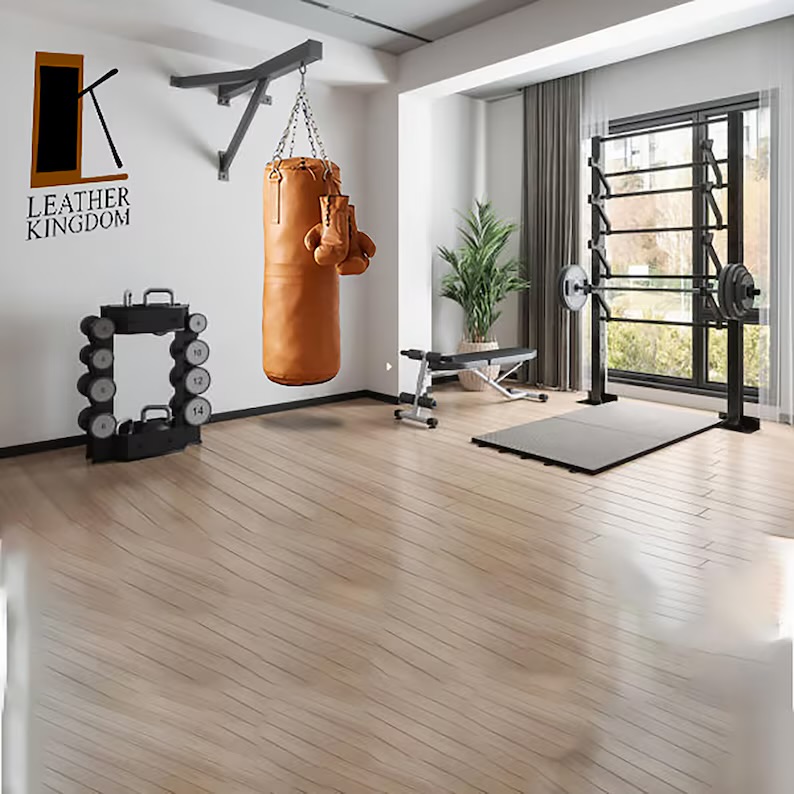
How to Build a Home Gym That’s Actually Worth Training In
Brands Mentioned:
- Cleto Reyes — Premium gloves, headgear, and equipment. Handmade in Mexico.
- Winning — The best sparring gloves in the world. Available in the US through Kozuji.com.
- Title Boxing — The largest boxing equipment retailer. Full range at every price point.
- Everlast — The most widely available boxing brand. Good entry-level gear.
- Ringside — Deep catalog of gloves, bags, and protective gear.
- Rival Boxing — Canadian brand with excellent training and sparring gloves.
- Hayabusa — MMA-rooted brand with quality boxing gloves and gear.
- Grant Boxing — Custom, high-end gloves. Long wait times. Celebrity fighter brand.
- Boxraw — Boxing-inspired streetwear and training apparel.
- No Boxing No Life — Boutique brand out of Thailand. Custom gloves.
- Nike Boxing — Machomai and HyperKO boxing shoes. Available through Title.
- Duke Fitness — UK-based brand gaining traction in the US.