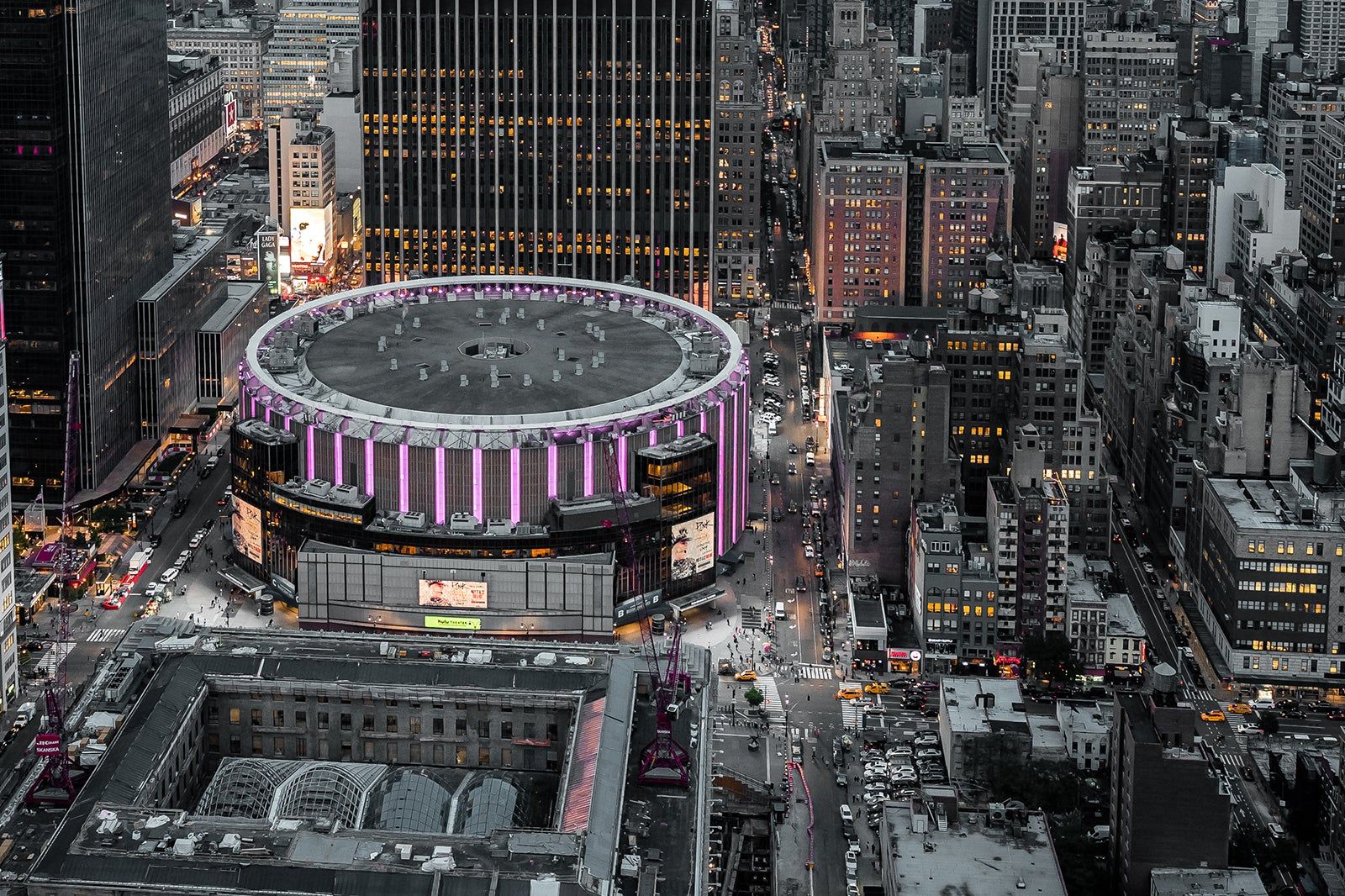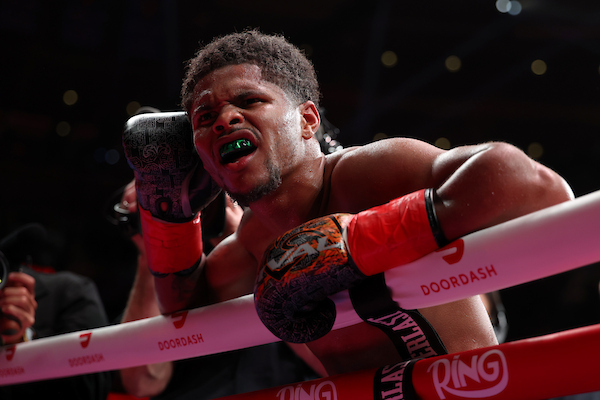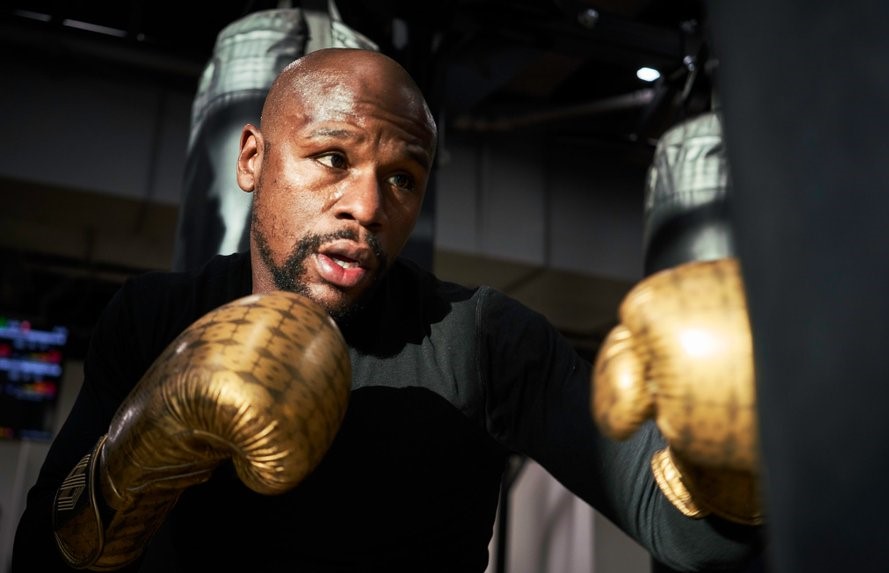
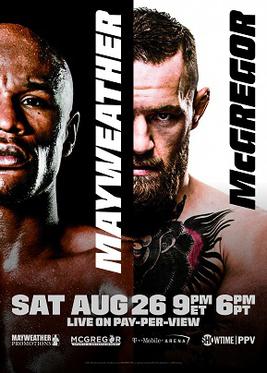
On August 26, 2017, Floyd “Money” Mayweather Jr. and Conor “The Notorious” McGregor stepped into the ring at T-Mobile Arena in Las Vegas for one of the most anticipated — and debated — events in combat sports history. An undefeated, five-division boxing world champion against a two-division UFC champion making his professional boxing debut. It was a spectacle that transcended both sports, generated hundreds of millions of dollars, drew an audience of casual fans who had never watched a boxing match, and ultimately delivered a more entertaining night than most expected. Whether you call it a legitimate super fight or the most profitable sideshow in boxing history, Mayweather vs. McGregor was an event that cannot be ignored.
How the Fight Came Together
The idea of Mayweather fighting McGregor had been floating in the combat sports atmosphere for years before it became reality. McGregor, never shy about calling out anyone in any discipline, had been publicly challenging Mayweather since 2015. The trash talk escalated on social media, in post-fight interviews, and across television appearances, with each man claiming he would destroy the other. UFC president Dana White initially dismissed the concept entirely. “Here’s what I think the chances are of the fight happening,” White said on The Dan Patrick Show. “About the same of me being the backup quarterback for Brady on Sunday” — a reference to Super Bowl LI.
But the financial logic was irresistible. Mayweather’s 2015 fight with Manny Pacquiao had generated approximately $623 million in total revenue and 4.6 million pay-per-view buys, making it the richest fight in history. McGregor, meanwhile, had become the UFC’s biggest star and its most bankable pay-per-view attraction. A crossover fight between the two would combine fanbases that barely overlapped, creating a potential audience larger than anything either sport had seen individually.
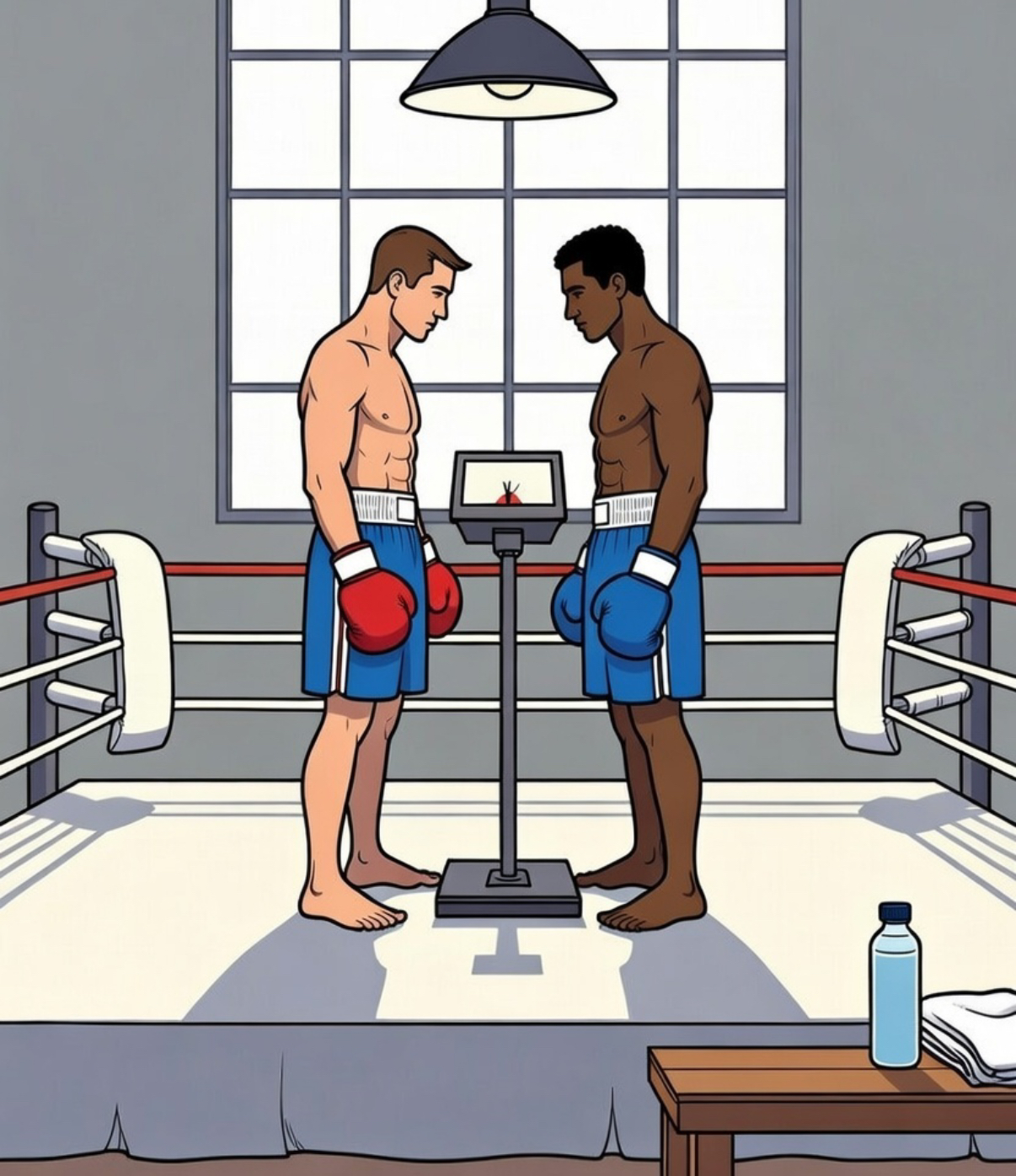
Negotiations entered an “exploratory phase” in early 2017. By March, Mayweather was publicly calling on McGregor to “sign the paper.” By May, McGregor had reportedly agreed to terms. The fight was officially announced on June 14, 2017 — a 12-round professional boxing match at 154 pounds (junior middleweight), sanctioned by the Nevada State Athletic Commission. Mayweather would come out of a two-year retirement at age 40, putting his perfect 49-0 record on the line. McGregor, 28, would make his professional boxing debut against arguably the greatest defensive fighter who ever lived.
The Four-City Press Tour: A Promotional Masterpiece
The promotional campaign for Mayweather-McGregor was unlike anything combat sports had ever seen. From July 11-14, 2017, the fighters embarked on a four-city international press tour — Los Angeles, Toronto, Brooklyn, and London — that played out less like a traditional boxing promotion and more like a traveling arena show blending elements of professional wrestling, stand-up comedy, and a celebrity roast.
McGregor arrived at the Los Angeles opener in a tailored suit — later revealed to be a deliberate troll of Mayweather’s wardrobe — and immediately began attacking Mayweather’s age, his fighting style, and his well-publicized tax issues. Mayweather, never one to be upstaged, produced a check for $100 million from the Pacquiao fight and offered to bet McGregor his entire purse. The Toronto stop escalated further, with McGregor commanding 15,000 fans to chant obscenities at Mayweather in unison. In Brooklyn, Mayweather told his entourage to “form Voltron” and surrounded McGregor on stage. The London finale saw both men play to a European crowd firmly in McGregor’s corner.
ESPN’s Dan Rafael and Brett Okamoto scored the press tour round-by-round as if it were a fight — a gimmick that perfectly captured the spectacle. The tour served its purpose brilliantly: it generated daily headlines across mainstream outlets that rarely covered boxing, created viral social media moments, and convinced millions of casual fans that this event was unmissable. For a deeper look at how the fighters prepared their verbal arsenals, read BoxingInsider’s coverage of the LA press conference.
The Undercard: Gervonta Davis, Badou Jack, and a Star-Making Night
The Showtime pay-per-view card wasn’t just one fight. The undercard featured meaningful bouts that delivered on their own merits. Gervonta “Tank” Davis, Mayweather’s prized protégé, defended his IBF junior lightweight title against Francisco Fonseca, stopping the unbeaten contender in the eighth round. Nathan Cleverly defended his WBA light heavyweight title against Badou Jack in a competitive fight that Jack won by split decision. The card also featured welterweight contender Yordenis Ugás, who would later become a world champion himself.
For a complete account of the full card, see BoxingInsider’s official fight night results.
Fight Night: Round by Round
The national anthems set the tone. Imelda May sang the Irish national anthem. Demi Lovato performed “The Star-Spangled Banner.” McGregor entered first to a roar from the heavily Irish-flavored crowd. Mayweather followed, his face covered in a mask reminiscent of Bernard Hopkins. Robert Byrd was the referee. The 14,623 fans inside T-Mobile Arena represented an $80 million-plus live gate — a record at the time, surpassing the $72 million gate from Mayweather-Pacquiao.
The early rounds surprised almost everyone. McGregor came out aggressive, pressuring Mayweather, going to the body, and landing clean shots — including a first-round uppercut that snapped Mayweather’s head back. McGregor’s movement was unorthodox but effective, and his size (he was taller and longer than Mayweather) created angles the champion hadn’t seen before. Through three rounds, McGregor was competitive and arguably ahead on the cards.
But Mayweather had seen it all before — or at least the parts that mattered. His game plan, as he later explained, was deliberate: “Our game plan was to take our time, go to him, let him shoot his shots early and then take him out down the stretch.” Starting in the fourth round, Mayweather began stepping forward, increasing his punch output, and timing McGregor’s increasingly looping shots. By the sixth round, the momentum had decisively shifted. McGregor’s output dropped as fatigue set in — the consequence of a fighter accustomed to five-round UFC fights now deep into the championship rounds of a 12-round boxing match.
For the detailed blow-by-blow account, read BoxingInsider’s round-by-round coverage of the fight.
The Finish: Tenth-Round TKO
By the tenth round, McGregor was running on fumes. He opened the round with a body shot that was ruled a low blow, showing his last signs of life. Mayweather, patient as always, waited for McGregor to exhaust his final reserve, then went to work. A series of right hands along the ropes staggered McGregor badly. His legs buckled. He stumbled forward. More punches landed without meaningful response. McGregor never went down — he stayed on his feet throughout — but referee Robert Byrd had seen enough. He stepped in and stopped the fight at 1:05 of the tenth round.
Floyd Mayweather Jr. improved to 50-0, surpassing Rocky Marciano’s legendary 49-0 record. It was the first time Mayweather had finished a fight since stopping Victor Ortiz in 2011. All three judges had Mayweather ahead at the time of the stoppage — Dave Moretti scored it 87-83, Burt Clements 89-82, and Guido Cavalleri 89-81.
“I owed them for the Pacquiao fight,” Mayweather told Showtime’s Jim Gray after the fight. “I think we gave the fans what they wanted to see.”
McGregor was gracious in defeat: “He’s composed, he’s not that fast, he’s not that powerful, but boy is he composed in there. I thought it was close though and I thought it was a bit of an early stoppage. I was just a little fatigued. He was just a lot more composed with his shots.”
The CompuBox Numbers
The punch statistics told the story of a fight that changed midstream. Through the first five rounds, McGregor held a 51-40 edge in landed punches. From rounds six through ten, Mayweather outpunched McGregor 130-60. For the fight overall, Mayweather landed 170 of 320 punches (53 percent), while McGregor landed 111 of 430 (26 percent). More telling was Mayweather’s power-punch accuracy: he connected on 58 percent of his 152 power shots. McGregor landed just 25 percent of his power punches.
The numbers confirmed what the eye test showed — McGregor had enough skill and size to make the early rounds competitive, but lacked the conditioning, defensive technique, and ring generalship to sustain his attack against an all-time great who was content to weather the early storm.
The Money: Breaking Down a Billion-Dollar Event
Mayweather-McGregor was one of the most financially successful events in the history of combat sports. While exact figures were protected by confidentiality agreements, the known numbers are staggering.
The Nevada State Athletic Commission disclosed guaranteed purses of $100 million for Mayweather and $30 million for McGregor. Those were floor figures. With his share of the promotion, Mayweather’s total earnings were projected to exceed $275 million. McGregor’s total take was estimated to surpass $100 million — roughly 20 times his typical UFC purse of $1.6 million. The fight generated an estimated 4.3 million pay-per-view buys at $89.95 ($99.95 in HD), the second-highest total in history behind Mayweather-Pacquiao. The live gate of approximately $80 million set a new boxing record. Total revenue was projected between $550 million and $600 million.
Casino.org calculated that Mayweather earned approximately $59,347 per second of fight time and $3.5 million per minute. The combined purse exceeded the GDP of more than 140 countries. For a boxing industry perspective on the financial stakes, see BoxingInsider’s analysis of the money fight.
What It Meant for Boxing
The legacy of Mayweather-McGregor within boxing is complicated. Critics argued that the fight diminished the sport by elevating a novice to the biggest stage — that it was a circus dressed up as a championship event, and that every dollar spent on a crossover spectacle was a dollar not spent on legitimate contenders. There was merit to this argument. McGregor had zero professional boxing experience. No boxing commission in any previous era would have sanctioned the fight.
Defenders countered that the event introduced millions of new fans to boxing, generated massive revenue for the sport’s ecosystem, and demonstrated that boxing could still produce cultural events on the scale of the Super Bowl. The fight’s 4.3 million pay-per-view buys dwarfed anything any active boxer other than Mayweather had done. The press tour alone generated more mainstream media coverage than the sport had received in years.
Perhaps the most significant legacy was what followed. The crossover model that Mayweather-McGregor pioneered — boxing against a non-boxer, sold on personality and spectacle rather than records and rankings — opened the door for the influencer boxing era. Jake Paul’s boxing career, which has generated millions of pay-per-view buys against former UFC fighters and aging champions, is a direct descendant of the template Mayweather-McGregor established. Whether that’s a good thing for the sport depends entirely on your perspective.
For a boxing coach’s unfiltered reaction to the fight’s meaning, read BoxingInsider’s column: “P.T. Would’ve Been Proud”.
What It Meant for MMA
McGregor’s performance earned him more respect than many had predicted. He won early rounds against one of the greatest boxers ever, landed clean punches, and lasted ten rounds in his first professional boxing match. The UFC used the event as a proof of concept for the crossover appeal of its fighters. Dana White, who had initially mocked the idea, walked away from the event proclaiming satisfaction with the spectacle and McGregor’s performance.
For McGregor personally, the fight was transformative in financial terms — he earned more in one night than in his entire UFC career combined — but it marked the beginning of a decline in his MMA trajectory. He never recaptured his UFC momentum in the same way, losing three of his next four UFC fights. The lure of another massive payday in boxing kept the door open for rematch talk that persisted for years. BoxingInsider covered the persistent rematch rumors here.
The Fighters: Where They Stand
For Mayweather, the McGregor fight was the final chapter of a perfect career — 50-0, five divisions, 15 world titles, and earnings estimated at over $1 billion across his career. He announced his retirement in the ring after the fight and, for the most part, kept his word regarding sanctioned professional bouts. He has since fought exhibitions against various opponents, including YouTuber Logan Paul, but has not returned to the official record books.
Mayweather’s place in boxing history was already secure before the McGregor fight. The 50-0 record, the defensive mastery, the financial empire — these are the pillars of his legacy. The McGregor fight added the exclamation point and the bank statement.
McGregor’s post-fight path has been more turbulent. He returned to the UFC and lost to Khabib Nurmagomedov in 2018. He knocked out Donald Cerrone in 40 seconds in 2020, but then dropped back-to-back fights to Dustin Poirier in 2021, the second of which ended with a broken leg. McGregor has remained one of the most recognizable athletes on the planet, but the combination of injuries, inactivity, and personal controversies has complicated his legacy. Read BoxingInsider’s coverage of Mayweather’s reaction to McGregor’s Poirier loss.
The Full Fight Card
For the record, the complete Showtime PPV card on August 26, 2017:
- Floyd Mayweather Jr. def. Conor McGregor — TKO, Round 10 (1:05), junior middleweight (154 lbs)
- Badou Jack def. Nathan Cleverly — Split Decision (114-112, 113-113, 115-111), WBA light heavyweight title
- Gervonta Davis def. Francisco Fonseca — TKO, Round 8, IBF junior lightweight title
- Andrew Tabiti def. Steve Cunningham — Unanimous Decision
By the Numbers
- Venue: T-Mobile Arena, Las Vegas
- Attendance: 14,623
- Live gate: ~$80 million (record at the time)
- PPV buys: ~4.3 million (second-highest in history)
- PPV price: $89.95 ($99.95 HD)
- Total revenue: Estimated $550-600 million
- Mayweather guaranteed purse: $100 million
- McGregor guaranteed purse: $30 million
- Mayweather estimated total earnings: $275 million+
- McGregor estimated total earnings: $100 million+
- Mayweather’s final record: 50-0 (27 KOs)
- Referee: Robert Byrd
- Broadcast: Showtime PPV
Further Reading
BoxingInsider Coverage:
- Round-by-Round Results: Mayweather Stops McGregor in the Tenth
- Press Release: Floyd Mayweather Defeats Conor McGregor by TKO
- Conor McGregor’s Game Plan for Floyd Mayweather
- Mayweather-McGregor: It’s All About the Money
- Conor McGregor Media Call: Full Transcript and Audio
- SmackTalk: Mayweather, McGregor Talk a Big Game at LA Press Conference
Mainstream Coverage:
- ESPN: Scoring the Mayweather vs. McGregor Press Conferences
- Sports Illustrated: Best Moments from the Mayweather-McGregor Press Conference
- CBS Sports: McGregor Tears Mayweather Apart in Toronto
- Wikipedia: Floyd Mayweather Jr. vs. Conor McGregor
For more boxing history and analysis, check out our complete guides to The History of Boxing in Las Vegas, The Top Boxing Venues of All Time, The History of Boxing in New York City, Boxing Weight Classes Explained, and Boxing Rules & Scoring: The 10-Point Must System.