
Boxing has always lived in the gray areas. The sport is scored by humans, governed by fractured sanctioning bodies, and shaped by promoters whose financial interests don’t always align with competitive fairness. The result is a history littered with disputed outcomes, outright scandals, and moments that made fans question whether the fix was in. Some of these controversies changed rules. Others changed careers. A few nearly changed the sport itself.
The Phantom Punch: Ali vs. Liston II (1965)
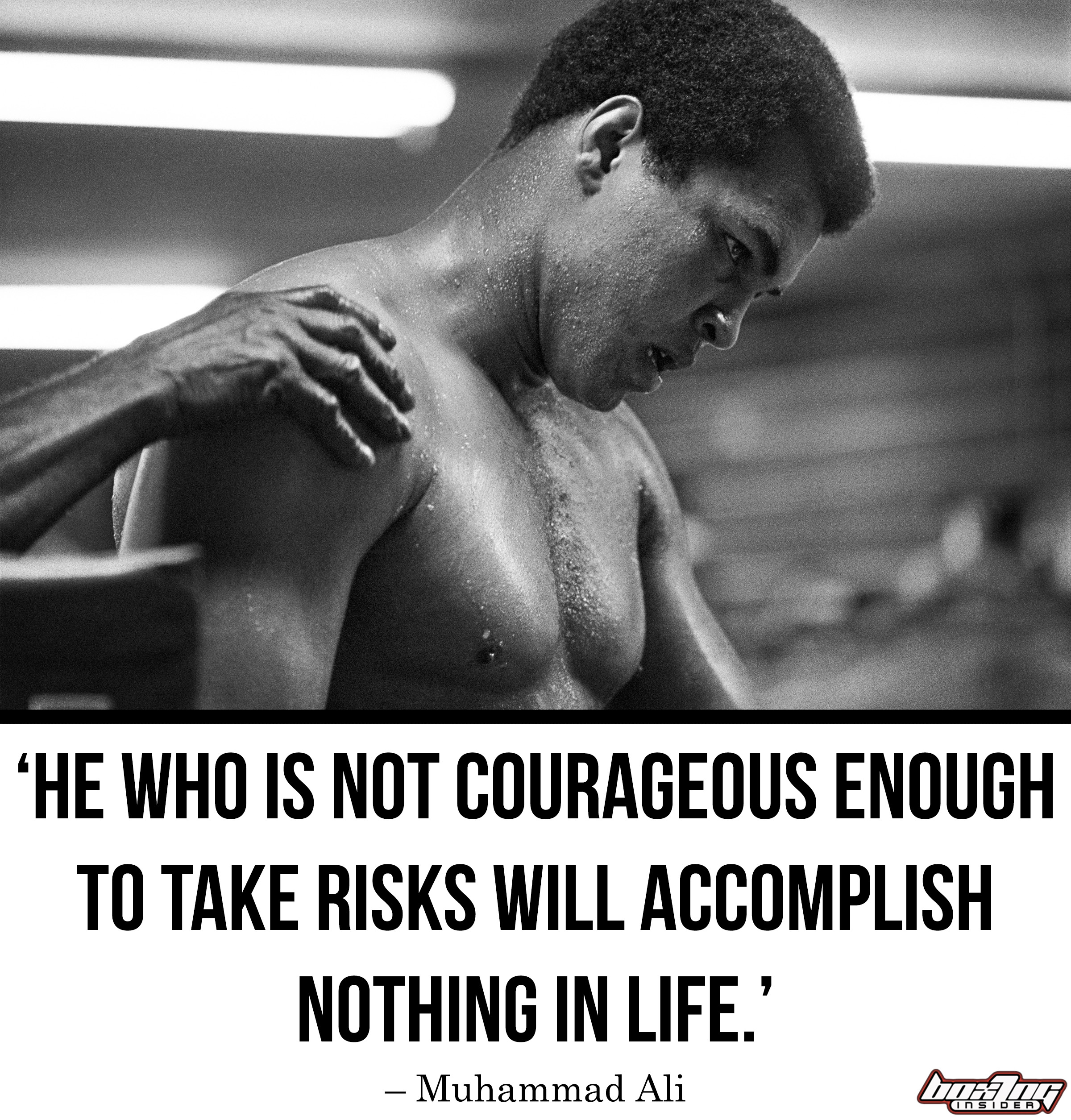
When Muhammad Ali dropped Sonny Liston with a short right hand in the first round of their May 1965 rematch in Lewiston, Maine, the arena erupted in confusion, not celebration. The punch was so fast that many spectators — and even some ringside journalists — didn’t see it land. Liston went down, stayed down, and was eventually counted out by referee Jersey Joe Walcott in one of the most chaotic endings in boxing history. Rumors of a mob-ordered dive followed Liston for the rest of his life. As ESPN revisited decades later, slow-motion footage confirms that Ali landed a legitimate right hand, but the image of Liston flat on his back from a punch nobody saw remains one of boxing’s most debated moments.
The Long Count: Dempsey vs. Tunney II (1927)
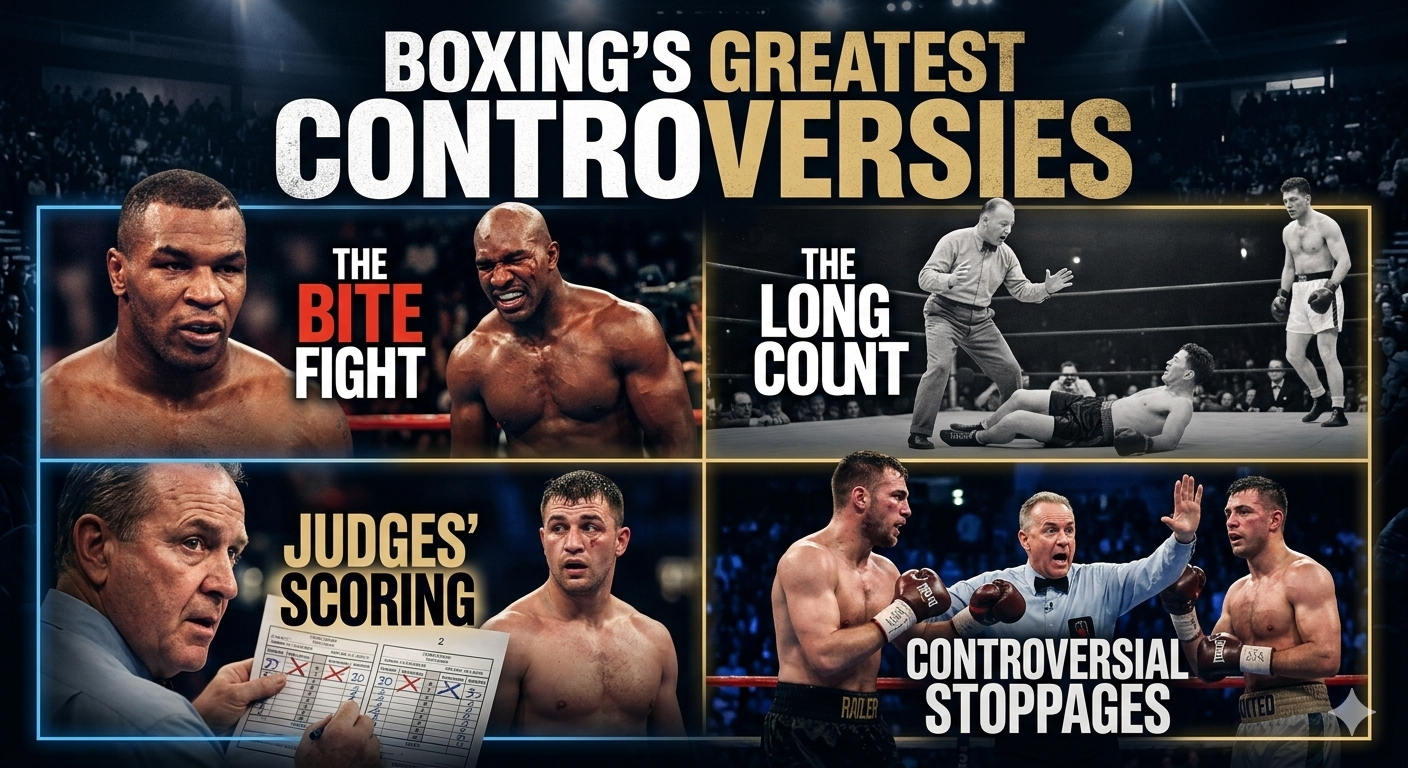
In the seventh round of their rematch at Soldier Field in Chicago, Jack Dempsey landed a combination that dropped Gene Tunney to the canvas. Under normal circumstances, the count might have resulted in a knockout. But Dempsey failed to retreat to a neutral corner as the rules required, and referee Dave Barry refused to begin counting until he did. By the time Tunney was counted, he had been on the canvas for an estimated 14 seconds — long enough to recover, rise, and outbox Dempsey for the remaining five rounds to retain his title by unanimous decision. The “Long Count” became one of the most argued-about moments in American sports history. Dempsey, characteristically, never complained, reportedly telling his wife afterward that he forgot the rule.
The Bite Fight: Tyson vs. Holyfield II (1997)
Mike Tyson’s decision to bite Evander Holyfield’s ear in the third round of their June 1997 rematch transcended boxing controversy and became a global cultural event. Tyson, frustrated by Holyfield’s headbutts — which he believed were deliberate and going unpenalized — bit a chunk of cartilage from Holyfield’s right ear and spat it onto the canvas. Referee Mills Lane deducted two points and allowed the fight to continue, at which point Tyson bit the other ear. Lane disqualified Tyson, and a near-riot ensued at the arena. The Nevada State Athletic Commission fined Tyson $3 million and revoked his boxing license for over a year. As BBC Sport noted at the time, the incident became a symbol of boxing at its most bizarre and damaged the sport’s mainstream credibility for years.
Whitaker vs. Chavez: The Draw That Wasn’t (1993)
When Pernell Whitaker and Julio Cesar Chavez met in San Antonio on September 10, 1993, it was the best fighting the best — the consensus top pound-for-pound fighter (Chavez, at 87-0) against the man most believed was actually better (Whitaker, the four-division champion). Whitaker boxed circles around Chavez for 12 rounds, winning clearly on the unofficial cards of virtually every ringside media member. The official result was a majority draw. The scoring was so indefensible that it sparked a congressional inquiry into boxing’s judging system. Whitaker, who had already been the victim of questionable scoring in his career, was denied the signature victory his performance deserved. It remains one of the most widely cited robberies in the sport’s history.
Lewis vs. Holyfield I: The Draw That Cost Lennox the Crown (1999)
The March 1999 fight between Lennox Lewis and Evander Holyfield was supposed to crown boxing’s first undisputed heavyweight champion in seven years. Lewis controlled most of the fight behind his jab and right hand, and the vast majority of ringside observers believed he won clearly. The result — a split draw — was met with immediate outrage. Judge Eugenia Williams scored the fight 115-113 for Holyfield, a card so widely criticized that it prompted an investigation. The rematch eight months later produced the expected result, with Lewis winning a unanimous decision, but the original draw cost Lewis millions of dollars and delayed a unification that should have happened months earlier. The incident led to calls for judicial reform that, decades later, have largely gone unanswered.
Roy Jones Jr. and the 1988 Olympic Robbery
In the light middleweight final at the Seoul Olympics, 19-year-old Roy Jones Jr. landed 86 punches to Park Si-hun’s 32, scored two standing eight-counts, and lost by 3-2 decision. The verdict was so egregiously wrong that one of the judges later admitted he voted for the home-country fighter to avoid what he considered a “whitewash.” The International Olympic Committee investigated, two judges were ultimately banned for life, and Park Si-hun himself reportedly apologized to Jones. The scandal led directly to the adoption of computerized scoring in Olympic boxing and remains the most infamous judging decision in amateur boxing history. Jones went on to become one of the greatest fighters of his generation; Park never fought again after the Olympics.
The IBF Scandal: Bob Lee and the Ranking Bribes
In 1999, IBF president Robert W. Lee Sr. was indicted on federal charges of accepting bribes from managers and promoters in exchange for favorable rankings. The investigation revealed a system in which fighters could essentially buy their way into mandatory challenger positions, undermining the competitive integrity the rankings were supposed to guarantee. Over 23 boxers and 7 promoters were implicated. Lee was convicted on racketeering and money laundering charges and sentenced to 22 months in federal prison. The scandal confirmed what many in boxing had long suspected: that sanctioning body rankings were, in some cases, for sale. As The New York Times reported, the case laid bare the structural corruption within boxing’s governing bodies.
The United States Boxing Championships: Don King’s Tournament of Fraud
In 1977, ABC Sports and promoter Don King launched the United States Boxing Championships, a nationally televised tournament designed to identify the country’s best fighters across multiple weight classes. The tournament was quickly exposed as a fraud. Investigative journalism revealed that at least 11 participating fighters had falsified their records, several bouts were rigged to benefit King’s contracted fighters, and Ring Magazine rankings — which were used to seed the tournament — had been manipulated. ABC canceled the tournament, and the fallout damaged Ring Magazine’s credibility so severely that the WBC and WBA gained increased authority over the sport. King, as he often did, escaped the legal consequences while associates bore the brunt of prosecution.
Pacquiao vs. Bradley I: The Gift in Vegas (2012)
Timothy Bradley entered his June 2012 fight with Manny Pacquiao as a significant underdog and did nothing in the ring to change that assessment. Pacquiao outlanded Bradley in total punches, power punches, and jab connects, winning the fight clearly on virtually every unofficial scorecard. The split-decision victory for Bradley — scored 115-113 on two of three cards — was met with stunned silence and then outrage. Even HBO’s broadcast team openly questioned the result. The WBO ordered a review panel that concluded Pacquiao should have won, though the result stood. Bradley himself later acknowledged in interviews that he believed Pacquiao won the fight. The two rematched in 2014 and 2016, with Pacquiao winning both decisively.
Canelo vs. GGG I: The Adelaide Byrd Scorecard (2017)
The first fight between Canelo Alvarez and Gennadiy Golovkin in September 2017 was scored a split draw, and the controversy centered on one specific scorecard. Judge Adelaide Byrd turned in a 118-110 card in favor of Alvarez — a score so disconnected from the actual fight that it prompted an investigation by the Nevada State Athletic Commission. The other two judges scored the fight 115-113 for Golovkin and 114-114, both of which fell within the range of reasonable disagreement. Byrd’s card did not. She was removed from Canelo-GGG assignments going forward, but the draw stood, denying Golovkin a victory that most observers believed he earned. The rematch in 2018 produced a majority decision for Canelo, but the shadow of the first fight’s scoring has followed the rivalry.
Hagler vs. Leonard: The Decision That Retired a Champion (1987)
Sugar Ray Leonard came out of a three-year retirement to challenge Marvin Hagler for the middleweight championship in April 1987, and the split-decision result has been argued about ever since. Hagler stalked, pressured, and landed the harder punches. Leonard boxed, moved, and threw flurries at the end of rounds — a strategy designed to impress judges with activity. Two judges scored it for Leonard (115-113 and 118-110); one had it for Hagler (115-113). The 118-110 card was widely criticized, and Hagler was so disgusted that he retired and never fought again. The debate persists because the fight was genuinely close — both men had legitimate claims to victory depending on which criteria a viewer prioritized. But the 118-110 scorecard gave the controversy an anchor that has never been resolved.
Shane Mosley’s EPO Confession
In 2008, during the BALCO federal investigation, Shane Mosley testified under oath that he had used EPO (erythropoietin) and other performance-enhancing drugs in preparation for his rematch with Oscar De La Hoya in 2003. Mosley won that fight by unanimous decision. The confession shattered Mosley’s carefully cultivated “good guy” image and raised retroactive questions about his other performances, though no other fights were officially tainted. The incident highlighted the limitations of boxing’s drug-testing regime and the ease with which fighters could evade detection. Mosley later claimed he didn’t know what the substances were, a defense that was met with widespread skepticism.
The Panama Lewis Corner: Resto vs. Collins (1983)
On June 16, 1983, Luis Resto defeated Billy Collins Jr. in a 10-round decision at Madison Square Garden. Collins’s face was grotesquely swollen afterward — far beyond what a fighter of Resto’s modest power should have been able to produce. Collins’s father, also a trainer, noticed that Resto’s gloves felt wrong when he shook hands after the fight. An investigation revealed that trainer Panama Lewis had removed padding from Resto’s gloves before the fight, effectively turning them into weapons. Lewis was also later found to have laced Resto’s hand wraps with plaster of Paris. Both Lewis and Resto were convicted of assault, conspiracy, and criminal possession of a weapon. Collins never fought again — his damaged vision ended his career — and he died in a car accident nine months later, at age 22. The incident remains boxing’s most chilling case of in-ring cheating.
A Sport That Polices Itself — Poorly
The common thread running through these controversies is structural. Boxing has no single governing body, no unified set of rules, and no independent oversight mechanism capable of enforcing standards across the sport. Judges answer to state commissions with varying levels of competence and funding. Rankings are compiled by organizations that charge sanctioning fees to the fighters they rank. Promoters negotiate which officials work their cards. Until those structures change — and there is no indication they will — boxing’s biggest controversies are not relics of the past. They are previews of the future.