By Boxing Insider Staff
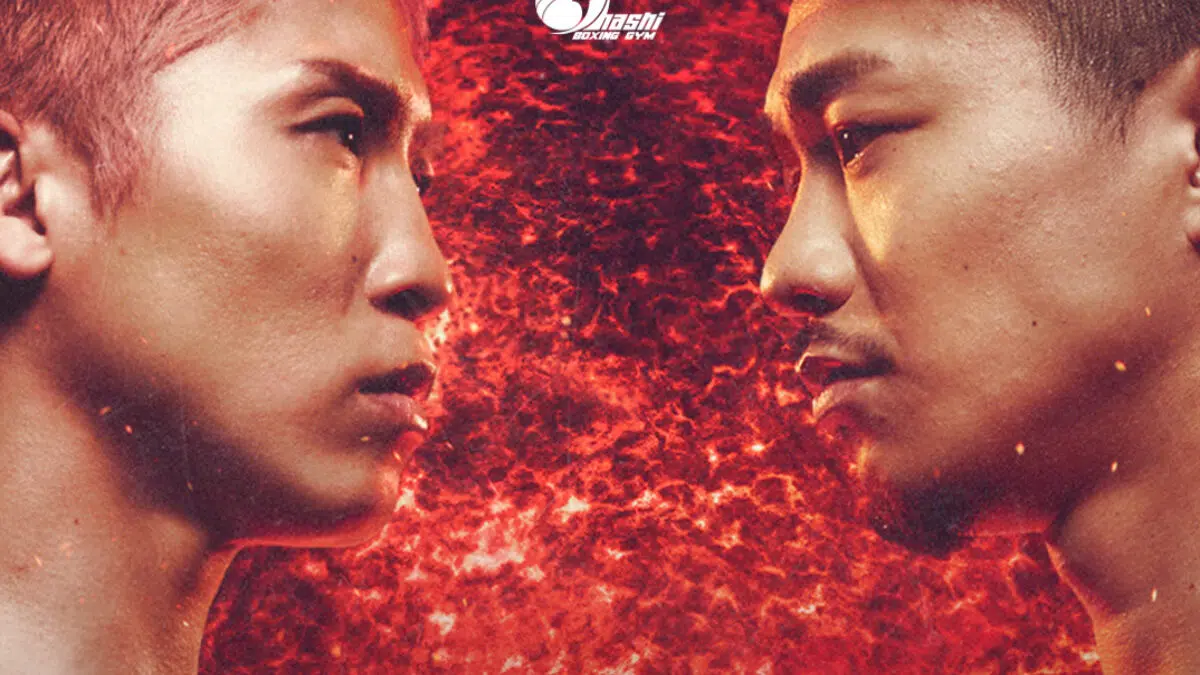
Saturday at the Tokyo Dome, undisputed super bantamweight champion Naoya Inoue defends his four belts against three-division titlist Junto Nakatani in front of a sold-out crowd of 55,000. Both fighters walk to the ring 32-0. The card has been billed in Japan as “The Day,” and Inoue himself has called Nakatani the toughest test of his career.
Inoue: The Champion
Inoue (32-0, 27 KOs) is making his seventh defense of the undisputed 122-pound championship. He is 33 years old, ranked No. 2 pound-for-pound in the world by The Ring, and one of three men to hold undisputed status in two weight classes during the four-belt era, alongside Terence Crawford and Oleksandr Usyk. He last fought December 27 in Riyadh, outpointing Alan Picasso over twelve rounds.
The book on Inoue is well-established. Orthodox stance, 5-foot-5, 84 percent career knockout rate. He fights behind a probing jab, sets traps with shoulder and head feints, and finishes with the right hand to the head or the left hook to the body. Picasso, Doheny, and Dasmarinas all left fights folded around the ribs. The body work has become as important to his game as the power.
Trainer and father Shingo Inoue told the WBC that the champion completed close to 80 rounds of sparring during camp. Promoter Hideyuki Ohashi described his fighter as being in “Max. Mode” entering fight week.
“May 2 will be a historic day for boxing,” Inoue said in fight-week comments. “But in terms of my boxing career, I have to think of it as just a point on the way. I will prepare for the fight with that mindset. I have to raise the level of every aspect of my boxing, otherwise I can’t bring out the best version of myself. First of all, I have to make sure this is the best fight I’ve ever had.”
Nakatani: The Challenger
Nakatani (32-0, 24 KOs) is the most credentialed challenger Inoue has faced. He has won world titles at light flyweight, flyweight, and bantamweight. He moved up to 122 for this fight. He is 28 years old, a southpaw, 5-foot-8 with a one-inch reach advantage. Ring Magazine has him at No. 6 pound-for-pound.
His December 27 fight against Sebastian Hernandez on the same Riyadh card as Inoue-Picasso was his super bantamweight debut. He won a unanimous decision, but Hernandez gave him problems and several outlets called the bout a Fight of the Year contender. Nakatani showed power on the way up. The question is whether he carries it into the deeper rounds against an opponent who has stopped almost everyone he has faced.
“My body has grown, and I feel like I’m getting more adjusted,” Nakatani said, “so from here I want to discuss tactics and the game plan with my team.”
The Matchup
This is a stylistic problem in both directions. Nakatani is the bigger man. He is taller, longer, younger, and a southpaw, which historically gives Inoue more trouble than it does most fighters. Inoue has dropped multiple rounds to southpaws and has been knocked down by both Luis Nery and Ramon Cardenas in fights he eventually won.
What Nakatani has not faced is anyone with Inoue’s combination of speed, accuracy, and finishing instinct. The challenger’s 24 knockouts came at lower weights against opponents who could not match his physicality. Inoue can.
The pre-fight read from most observers is the same: Inoue’s experience, distance control, and body attack should win him the rounds early. Nakatani’s height and power give him a puncher’s chance late if he survives the middle rounds. Inoue is a heavy favorite with most major sportsbooks, with Nakatani a best price of 7/2.
The Co-Feature: Takuma Inoue vs. Kazuto Ioka
Naoya’s younger brother Takuma Inoue (21-2, 5 KOs) defends his WBC bantamweight title against four-division world champion Kazuto Ioka (32-4-1, 17 KOs) over twelve rounds. Ioka, 37, is attempting to win a major title in a fifth weight class, a feat no Japanese fighter has accomplished. Takuma is coming off a decision win over former kickboxing star Tenshin Nasukawa.
The Undercard
Toshiki Shimomachi takes on former OPBF featherweight champion Reiya Abe over ten rounds at 126 pounds. Sora Tanaka faces Jin Sasaki over ten rounds at welterweight, with Sasaki one of the more avoided 147-pounders on the domestic scene. Kosuke Tomioka and Shogo Tanaka meet over ten rounds at flyweight. Deok No Yun, the only non-Japanese entry on the bill, takes on Yuito Moriwaki over ten rounds at super middleweight. Yoshiki Takei, the former WBO bantamweight titleholder, faces WBA Asia super bantamweight champion DeKang Wang in an eight-round bout at 122.
What’s at Stake
For Inoue, a win extends his pound-for-pound case toward the No. 1 spot and clears the path to one more fight at 122 pounds before a featherweight move he has signaled is coming. Matchroom CEO Eddie Hearn told reporters last weekend that preliminary talks have begun with Turki Alalshikh about a fight between Inoue and unified super flyweight champion Jesse “Bam” Rodriguez. Hearn called the bout “inevitable” within Rodriguez’s next two or three fights.
For Nakatani, a win takes him from a top-six pound-for-pound entry to the face of Japanese boxing, and likely the No. 1 spot on most rankings. He becomes the man the Rodriguez fight is built around. For boxing in Japan, this is the largest pure boxing event the country has staged in the modern era, with domestic broadcast on Lemino and theatrical screenings at more than 100 cinemas.
When and How to Watch
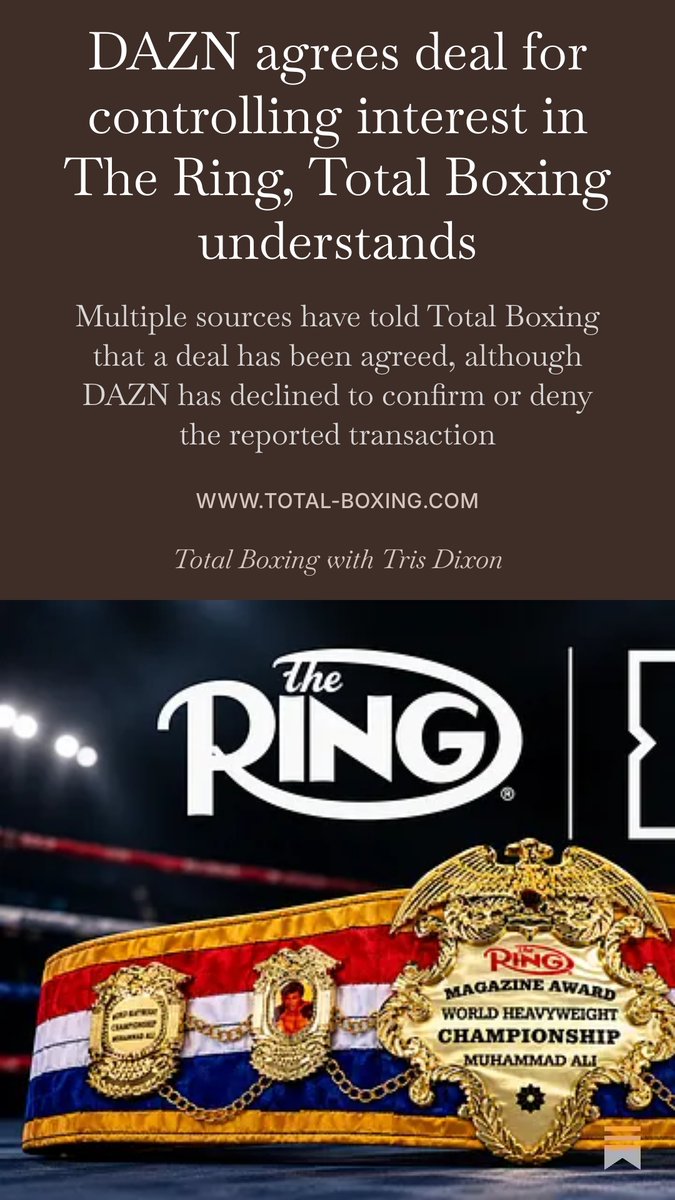
Coverage begins at 3 a.m. ET on Saturday, May 2, with main-event ring walks projected for around 8 a.m. ET. The card streams on DAZN as part of the standard subscription rather than as a separate pay-per-view event, with subscribers in the United States and most international markets covered.