
UK Launches First-Ever Study to Prove Boxing Can Prevent Youth Crime
The idea that boxing saves lives isn’t new. Walk into any gym in any tough neighborhood — from Atlantic City to the South Bronx to South London — and you’ll hear the same story: a kid who was headed nowhere good found a heavy bag, found a coach, and found a path. It’s one of the sport’s most enduring truths.
Now, for the first time, a major research study is setting out to prove it with hard data.
England Boxing, Welsh Boxing, and the Ending Youth Violence Lab have partnered to launch Moves Different, a six-month pilot study funded by the UK’s Youth Endowment Fund that will measure whether structured boxing programs can prevent vulnerable young people from becoming involved in crime and serious violence.
The trial launched on Monday, February 23, and will initially involve 10 boxing clubs across England and Wales before expanding to a larger group. In total, the study aims to work with 1,500 young people between the ages of 13 and 18 who have been identified as at risk — including those who have been excluded from school or who display significant behavioral challenges.
How the Study Works
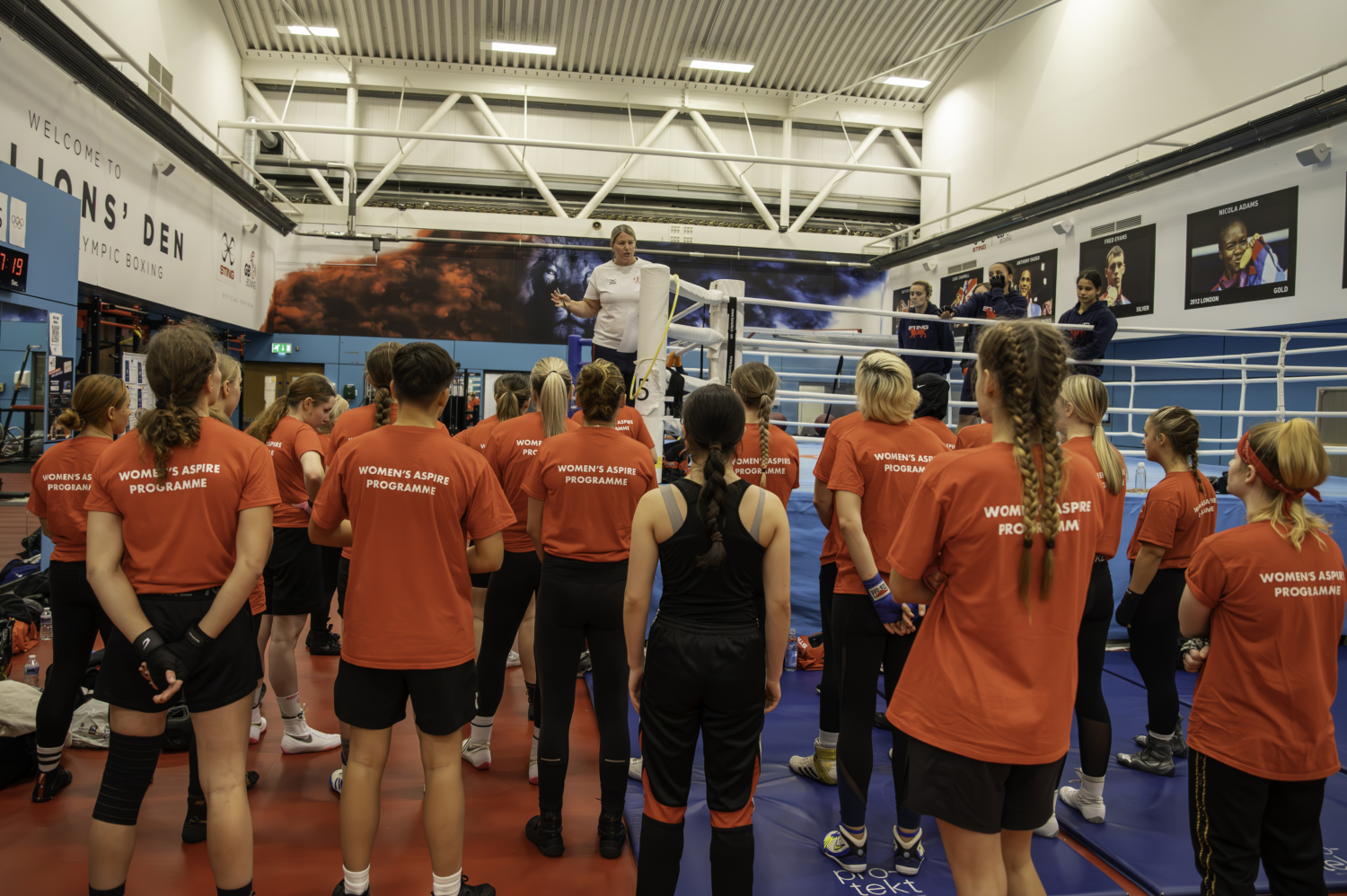
Qualified coaches at participating clubs will deliver regular training sessions to the young participants. Researchers from the Behavioural Insights Team (BIT) will then evaluate whether boxing improved the participants’ emotional regulation, self-esteem, and sense of community compared to a control group that received gym vouchers instead.
Critically, the study will also compare arrest rates between the two groups — providing the kind of concrete, measurable outcome data that boxing’s advocates have long called for.
“The structure, safety and sense of community which boxing clubs offer has long been thought of as an ideal way to help vulnerable young people, supporting them to build resilience, regulate emotions and develop a sense of agency,” said Tom McBride, Director of the Ending Youth Violence Lab at BIT. “But we currently lack the evidence on whether boxing is an effective violence prevention programme. This groundbreaking study is an opportunity to address that.”
The Participating Clubs
The 10 clubs selected for the pilot phase represent communities across Britain:
- Bright Star / Wolverhampton ABC
- Waterfront Academy, Leicester
- Unity Boxing Academy, Bradford
- Pat Benson’s Boxing Academy, Birmingham
- Priory Park ABC, Dudley
- Aspire Boxing, Sheffield
- Tiger Bay ABC, Cardiff
- Dagenham ABC, London
- Splott Adventure ABC, Cardiff
- Afewee ABC, Brixton, London
Why This Matters for Boxing
Boxing people have never needed a study to tell them what the sport does for kids. Every major champion has a story about the gym that kept them off the streets. England Boxing’s own development system has produced Olympic medalists and world champions including Anthony Joshua, Nicola Adams, Amir Khan, and Tasha Jonas — many of whom have spoken openly about how boxing changed the trajectory of their lives.
But in an era where youth programs compete for limited government funding, anecdotal evidence only goes so far. If the Moves Different study produces the kind of positive results that boxing’s community expects, it could lead to nationwide investment in boxing-based youth intervention programs across the UK — and provide a model that could be replicated internationally.
“Boxing offers structure, discipline and a strong sense of belonging, helping young people build confidence and manage their emotions,” said Louise Vidor, Moves Different Project Manager. “By working with the Ending Youth Violence Lab, Welsh Boxing and the Youth Endowment Fund, we have a valuable opportunity to strengthen the evidence behind the impact of boxing.”
The Bigger Picture
The study comes at a critical time. Analysis by the Youth Endowment Fund shows that youth homicides and knife assaults in the UK rose significantly over the past decade, peaking between 2017 and 2019. While numbers have declined somewhat since — particularly during the pandemic — they remain well above levels seen a decade ago. The UK government has set a goal to halve knife crime over the next 10 years.
Youth violence disproportionately impacts disadvantaged communities — the same communities where boxing has historically maintained its strongest presence. That’s not a coincidence. It’s exactly why this study targets those populations, and why boxing may be uniquely positioned to reach young people that other programs can’t.
A Lesson for the United States
While the Moves Different study is based in the UK, the implications extend far beyond British borders. In the United States, boxing gyms have served as unofficial youth intervention centers for generations — often operating on shoestring budgets and the sheer willpower of their coaches. Programs like the Police Athletic League (PAL), which operates boxing gyms in cities across the country, have long used the sport as a tool to build trust between law enforcement and at-risk youth. In cities like Philadelphia, Detroit, Newark, and Atlantic City, neighborhood gyms have quietly done the work of keeping kids alive and out of trouble for decades, with little recognition or institutional support.
Atlantic City, a town with a deep boxing history that stretches back over a century, knows this reality well. The same communities that produced fighters who headlined casino main events have seen their share of youth violence — and local gyms have consistently been among the few safe havens available. If a study like Moves Different can produce the kind of evidence that unlocks government funding in the UK, it raises an obvious question: why isn’t the United States doing the same?
The data, if it comes back the way boxing people expect, could give American lawmakers, school districts, and community organizations the hard evidence they need to invest in what gym owners and coaches have been doing on their own for years. Boxing doesn’t just build fighters. It builds people. Now someone is finally trying to prove it on paper.
For more information on the Moves Different program, visit englandboxing.org/moves.