By Larry Goldberg
In Season 6 of The Sopranos, Patsy Parisi tries to shake down a new Starbucks-type coffee chain the same way the mob always extorted the local spots. The manager doesn’t flinch. It’ll have to go through corporate in Seattle, he tells them. They try to intimidate him with threats of vandalism and violence, asking how “corporate” would react to such disruptions. The manager shrugs—they’ve got ten thousand stores, they wouldn’t even feel it. Then he delivers the kill shot: “Every last fuckin’ coffee bean is in the computer. It has to be accounted for. If the numbers don’t add up, I’d be gone and someone else will be here.” Walking away, Patsy says: “It’s over for the little guy.”
I think about that scene a lot lately. Not because I’m comparing boxing promoters to wiseguys—although some days, the wiseguys had more honor. When the corporations move in, they don’t just beat the little guy. They build a machine that doesn’t even have a place for him.
So is it over for the little guy? Not just in the ring. In business. In promotion. In the belief that hard work, relationships, and knowing your market still count for something when the other side of the table has a sovereign wealth fund.
I grew up in Atlantic City going to boxing. I loved the club shows at the casinos—packed rooms, real energy, the kind of fights where you could hear every punch from your seat. I used to work the buffet at the Tropicana. Now I promote fights in the same building. If you’d told that kid where he’d end up, he wouldn’t have believed you. Those shows were put on by working promoters who built companies literally named after themselves—Don King Promotions, DiBella Entertainment, Peltz Promotions, Cedric Kushner Promotions, Don Elbaum. These weren’t faceless corporations. These were individuals whose names were on the door because their reputations were the product.
That’s where I got the bug. That’s what made me want to do this.
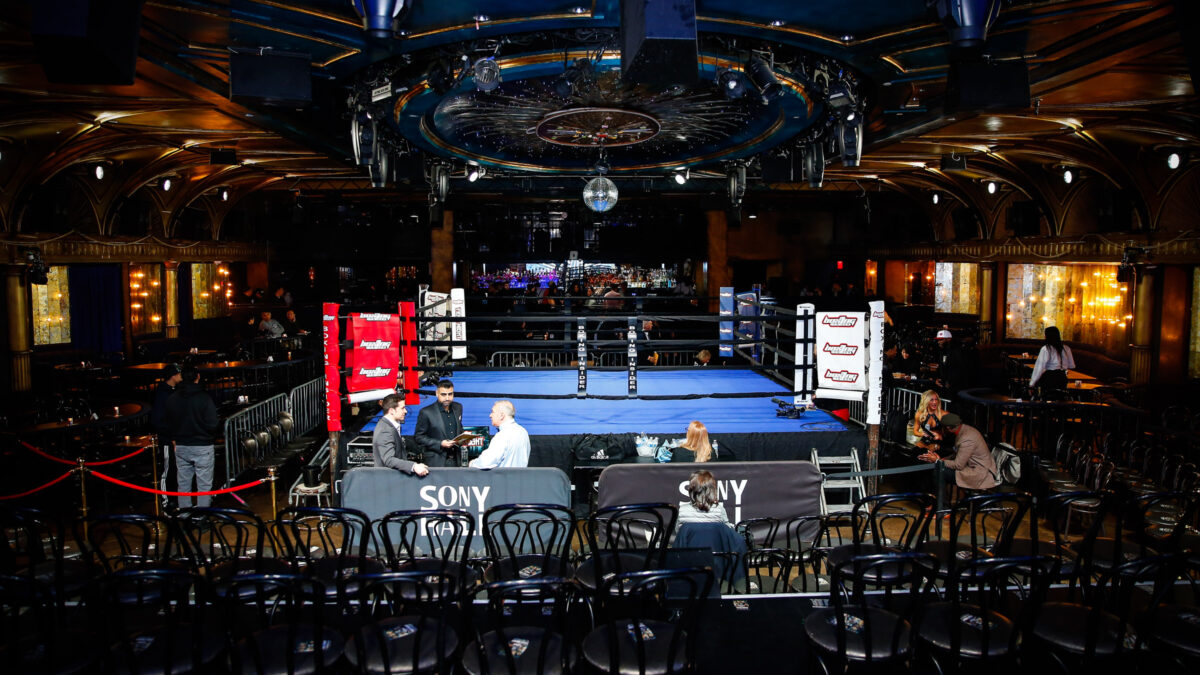
Today I promote under the banner of Boxing Insider Promotions. Nobody was going to name it Larry Promotions—but that’s essentially what it is. My team is Eric Bottjer, the greatest matchmaker in boxing. Matt Competello on the mic. Friends and top people I knew from boxing who all grew with us—announcers, medicals, corner support. A gig-work crew that comes together on show night and goes home after. That’s it. I handle the insurance, the hotel rooms, the ring rental, the ambulance, the security, the tickets, the sponsors—or the lack thereof—the marketing, the social media, the email list, the media bookings, the logistics at the venue, the production, compliance with state athletic commissions. We helped bring club boxing back to New York after the pandemic, and I’ve put on 20 shows since October 2022 at Tropicana Atlantic City and Sony Hall in Times Square.
But I’m not blind. The landscape is changing fast, and the question isn’t whether independent promoters can survive—it’s whether anyone outside the corporate machine will still have a seat at the table five years from now.
The Racehorse That Doesn’t Need You Anymore
The small promoter’s dream always worked like this: you discover talent early, develop it, build the fighter’s record on your shows, and if they become a star, you cash out together. Like owning a racehorse. The next Floyd. The next Tyson. That was the whole game.
I’m lucky to say I never fell for it. People smarter than me told me early on: you’re never going to sign the next Floyd. And if you did, Al Haymon or Zuffa would take him from you and you’d never see your money. Just be the promoter who tries to make the best fights possible. Be a stepping stone.
They were right.
But here’s the problem with the current landscape: even if the small promoter accepts being a stepping stone, the stepping stone still needs fighters who are willing to step. And right now, nobody wants to take risks at the club level. It’s gotten worse, not better, over the last couple of years. Fighters don’t want tough fights. They don’t want to test themselves. They’re posing for Instagram instead of getting in the ring. There used to be glory in being a club fighter—in being the guy who’d fight anyone, anywhere, on short notice, because that’s how you built a reputation. That culture is disappearing.
The proving grounds still matter. Somebody has to develop these kids before they’re ready for Paramount+ and a global audience. But fewer and fewer people want to be that somebody—because the economics of being a stepping stone are getting worse by the day.
The Part Nobody Wants to Talk About
I’ve had BoxingInsider.com since 1998. Covered this sport from every angle for over 25 years. I always thought I understood the business. Then in 2022 I jumped into the promotion side and learned the hard way—this business is not what we all think it is.
Fighters are the last people to know what’s going on in their own careers. I’ve seen it firsthand. Decisions get made, opportunities appear or disappear, and the fighter—the person doing all the bleeding—finds out after the fact. That was true in the old model. It’ll be worse in the new one.
My advice to any fighter reading this: find a competent attorney. Not your buddy. Not the guy who approached you at the gym. A real attorney who understands this business.
There’s an old expression—I have enough problems, I don’t need yours too. That has never been more true than it is right now. Here’s what I mean. If your goal is to get to the next level, the person representing you matters more than ever. But most fighters sign with whoever’s in front of them without understanding the politics behind the scenes. They don’t know who has beef with who. They don’t know which relationships are burned. And here’s the trap—if your manager, your promoter, or your attorney has personal baggage or business history with the people making decisions, that baggage becomes your baggage. You didn’t do anything wrong. You might be the most talented fighter in your weight class. But the people on the other side aren’t separating you from your representation. You’re guilty by association. The phone stops ringing, opportunities dry up, and nobody calls to explain why. You’re just… not getting the call. And you might never find out the real reason.
A centralized system has real benefits—consistency, production value, clear matchmaking. But it also means fewer people control the door. And if you’re on the outside looking in, it doesn’t matter how talented you are.
This isn’t theoretical. It’s playing out right now at the club level.
What It’s Actually Like Right Now
Here’s what’s happening on the ground that the analysts and podcasters don’t see.
Every journeyman fighter who used to happily jump on a card at short notice is now sitting by the phone waiting for the big Zuffa or Turki call. For most of them, that call isn’t coming. But the waiting has taken them out of the available talent pool for guys like me who are actually putting on shows.
Making fights at the club level has become incredibly frustrating. Nobody wants to fight anybody—and they all want top dollar to fight nobody. I’ve got fighters who think that because they’ll sell 20 tickets, they deserve a handpicked opponent. But if you won’t sell those 20 tickets, there’s no money to cover the expenses. The ring, the officials, the commission fees, the insurance—none of it is free. The economics of a small show are brutally simple, and they don’t care about your feelings.
I want to put on good fights. Tough fights. But here’s the reality—I can only make money when I do A side vs. B side, where both fighters are selling tickets. That means I’m at the mercy of who’s willing to fight and what they’re willing to accept. I don’t get to just pick the best matchups. The fighters and their teams dictate what’s possible, and right now, most of them want easy nights for top dollar.
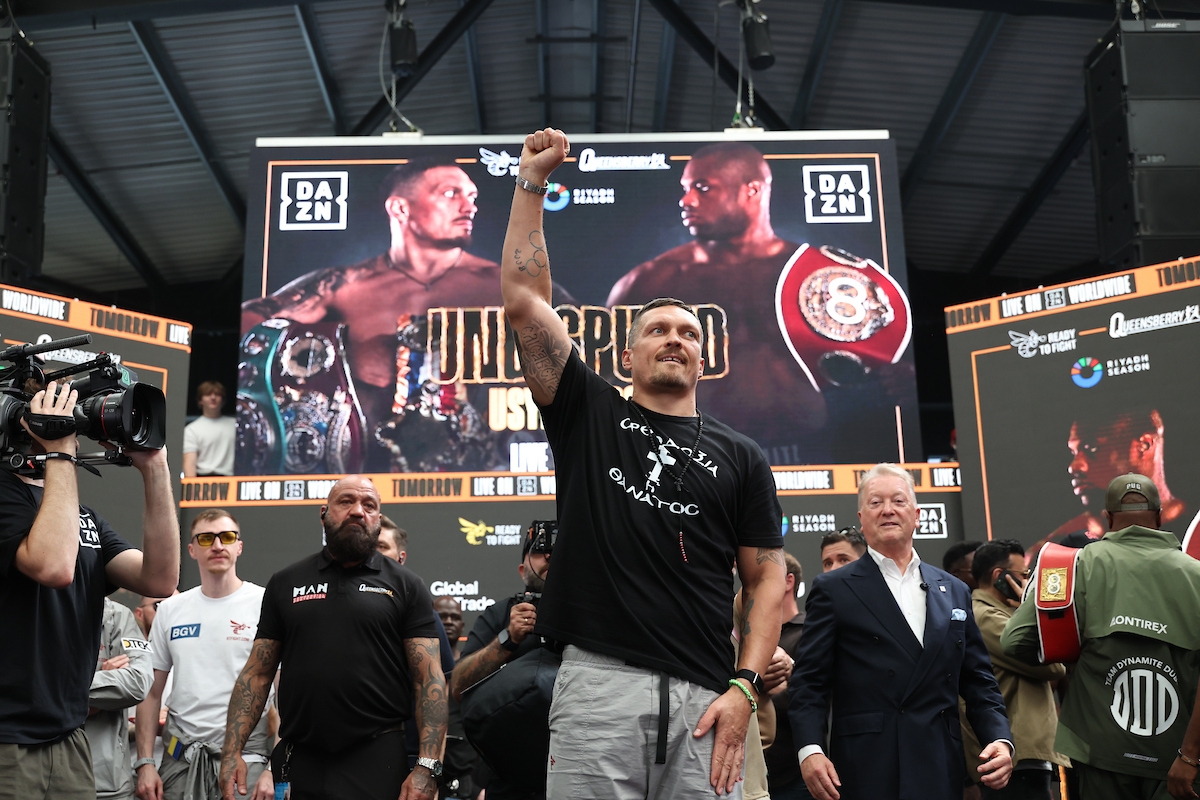
The guys headlining Saudi superfights didn’t start in Riyadh. They started in casino showrooms and hotel ballrooms, on cards put together by people who believed in them before anyone with real money noticed. But here’s the thing—the big players don’t need that pipeline anymore. They’re building their own. They control the development, the matchmaking, the broadcast, the whole chain. They don’t need the independent promoter. And that’s what kills us.
So Is It Over?
I don’t think so. But the path forward looks different.
What the independent promoter still has is the local connection. I know the rooms I promote in. I know the fighters, their families, the fans who show up every time. That relationship between a promoter and a community is real, and it’s something that can’t be replicated at scale no matter how much money is behind it.
But that connection alone won’t keep the lights on. The game is changing and the independent promoter has to change with it. We need to think like media companies, not just event producers. Own our content. Build audiences between fight nights, not just on them.
The billion-dollar players can buy attention. We have to earn it. That’s always been true. It’s just never been this stark.
Boxing has been here before—every few decades, some new wave of money floods the sport and everyone declares the old model dead. HBO. Showtime. DAZN’s billion-dollar era. Now Saudi Arabia and TKO. Each time, the independents who adapted survived. The ones who didn’t became cautionary tales.
I’m one of the last American club promoters. And I’ve got a local card to promote Saturday night.
Larry Goldberg is the founder of Boxing Insider Promotions and owner of BoxingInsider.com.