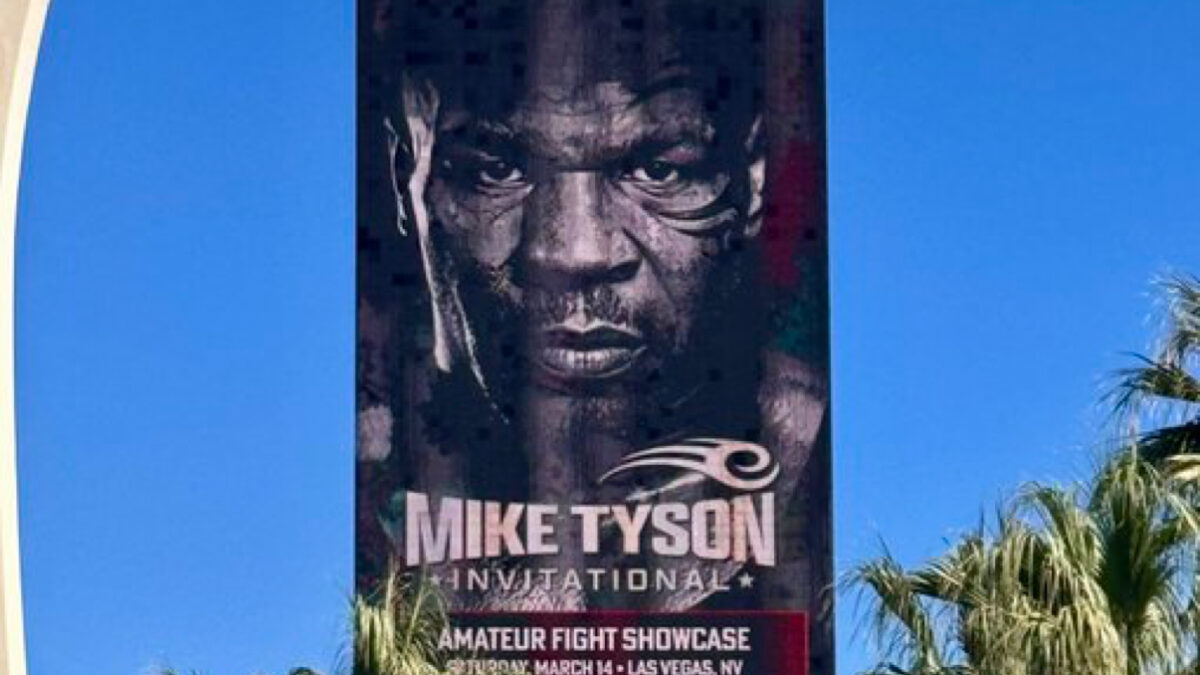
Mike Tyson has spent the better part of two years telling anyone who will listen that American boxing is in trouble. On Saturday night at the SAHARA Theatre in Las Vegas, he did something about it.
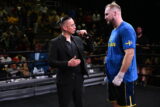
The inaugural Mike Tyson Invitational brought 52 amateur fighters from across the country to compete in 26 bouts. The youngest was nine. The oldest was 24. Some traveled more than 3,000 miles. Tyson personally funded the event well into six figures, covering hotels at the SAHARA Las Vegas, meals for fighters and trainers, and dedicated workout facilities. There were no entry fees and no pay-to-play structure. All a fighter had to do was get to Las Vegas. The three-day event (March 12–14) opened with a private conversation between Tyson and Hall of Fame broadcaster Jim Gray, featured open workouts on Friday, and culminated in the fight card Saturday evening, streamed live on DAZN, CSI Fight Sports, and Swerve.tv. Women’s bouts were broadcast separately on the All Women’s Sports Network.
Not a Tournament — A Showcase
The structure is what set the Invitational apart. There was no bracket, no random draw, and no tournament seeding. Former Showtime Sports president Stephen Espinoza — who helped organize the event and whose relationship with Tyson stretches back to his years as an entertainment attorney — described it as closer to a professional showcase than a youth competition. Each bout was matched by size, skill, and experience, with the intent of giving every fighter a meaningful test rather than a path through a bracket.
Espinoza’s involvement lends the project real institutional weight. During his decade-plus running Showtime Sports, he oversaw the network’s partnership with Floyd Mayweather and was instrumental in assembling some of the highest-grossing pay-per-view events in boxing history.
The Problem Tyson Is Trying to Solve
The United States has not produced a men’s Olympic boxing gold medalist since Andre Ward won at light heavyweight in 2004. The pipeline that once fed the professional ranks with household names — Ali, Leonard, Foreman, De La Hoya, Mayweather — has thinned dramatically amid gym closures and declining grassroots competition.
Tyson addressed the issue directly in an interview with ESPN, contrasting today’s landscape with his own development in New York in the 1980s, when he could fight at a state fair one week and a national tournament two weeks later. That constant ring time barely exists anymore.
The sport’s Olympic future only recently stabilized. Boxing was left off the LA 2028 program entirely after the IOC stripped the International Boxing Association of its recognition over corruption and governance failures. It took the formation of a new governing body, World Boxing, and a unanimous IOC Session vote in March 2025 to restore the sport to the schedule. With Los Angeles now two years away, the clock is ticking for the United States to develop fighters capable of competing on that stage.
What Comes Next
In his ESPN interview, Tyson spoke favorably about the organizational model Dana White has built with the UFC through TKO Group Holdings, praising its centralized structure and entertainment-first philosophy. Whether the Invitational eventually connects to any of the larger commercial ventures reshaping boxing remains to be seen. But the presence of Espinoza as an organizer, DAZN as a broadcast partner, and Everlast as a sponsor suggests infrastructure that could scale well beyond a single weekend.
Organizers said Tyson plans to stage a second Invitational later this year, with three or four events annually by 2027. Las Vegas and Reno are both under consideration.
One amateur showcase will not reverse a two-decade decline. Tyson knows that. But when Cus D’Amato saw a 13-year-old kid from Brownsville and decided he was worth believing in, nobody called that a cure-all either. Fifty-two fighters stepped into the ring at the SAHARA Theatre this weekend because Tyson is trying to be that kind of answer for someone else.